
Sélection cérémoniale
Les meilleurs matchas cérémoniaux
Tous les matchas de grade cérémonial du comparateur Mon Matcha, classés par score qualité/prix. Origine japonaise, ichibancha, mouture pierre — la sélection haut de gamme.
Tous les matchas de grade cérémonial analysés par Mon Matcha, classés par score qualité-prix. Le grade cérémonial désigne le plus haut niveau de qualité du matcha : première récolte de printemps (ichibancha), feuilles tendres ombragées plus de vingt jours, mouture traditionnelle sur meule de granit. La sélection ci-dessous regroupe l'intégralité des références cérémoniales du catalogue, classées par notre méthodologie publique sur 7 critères de pureté.
45 matchas dans cette sélection
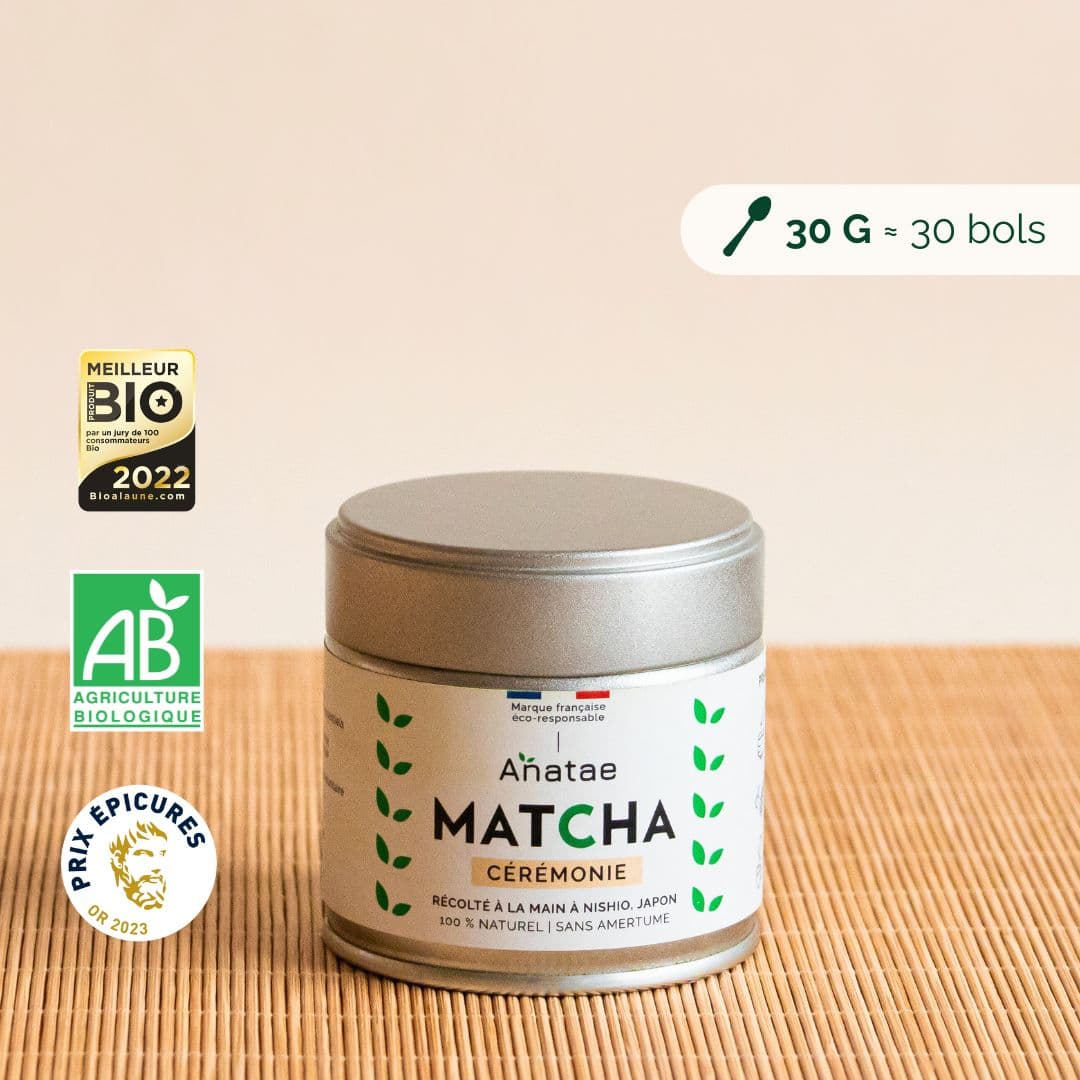
Matcha Cérémonie Bio
Anatae · Cérémonial
Matcha Cérémonie Bio
Anatae · Cérémonial
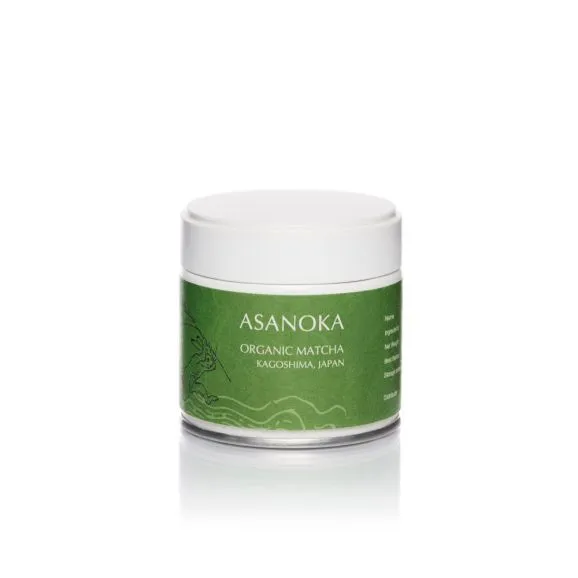
Matcha Asanoka Bio
Palais des Thés · Cérémonial
Matcha Asanoka Bio
Palais des Thés · Cérémonial
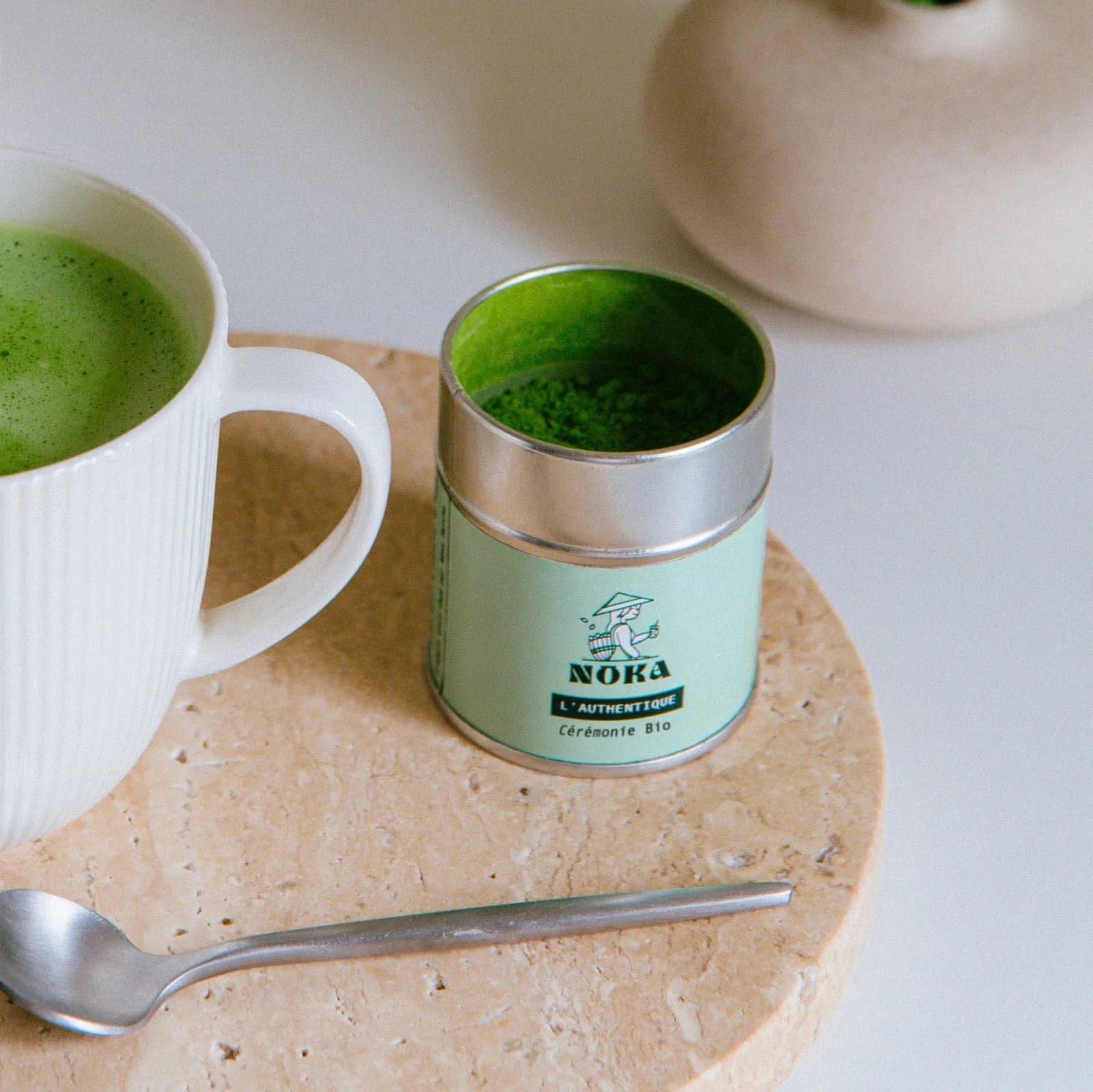
L'Authentique
Noka Matcha · Cérémonial
L'Authentique
Noka Matcha · Cérémonial
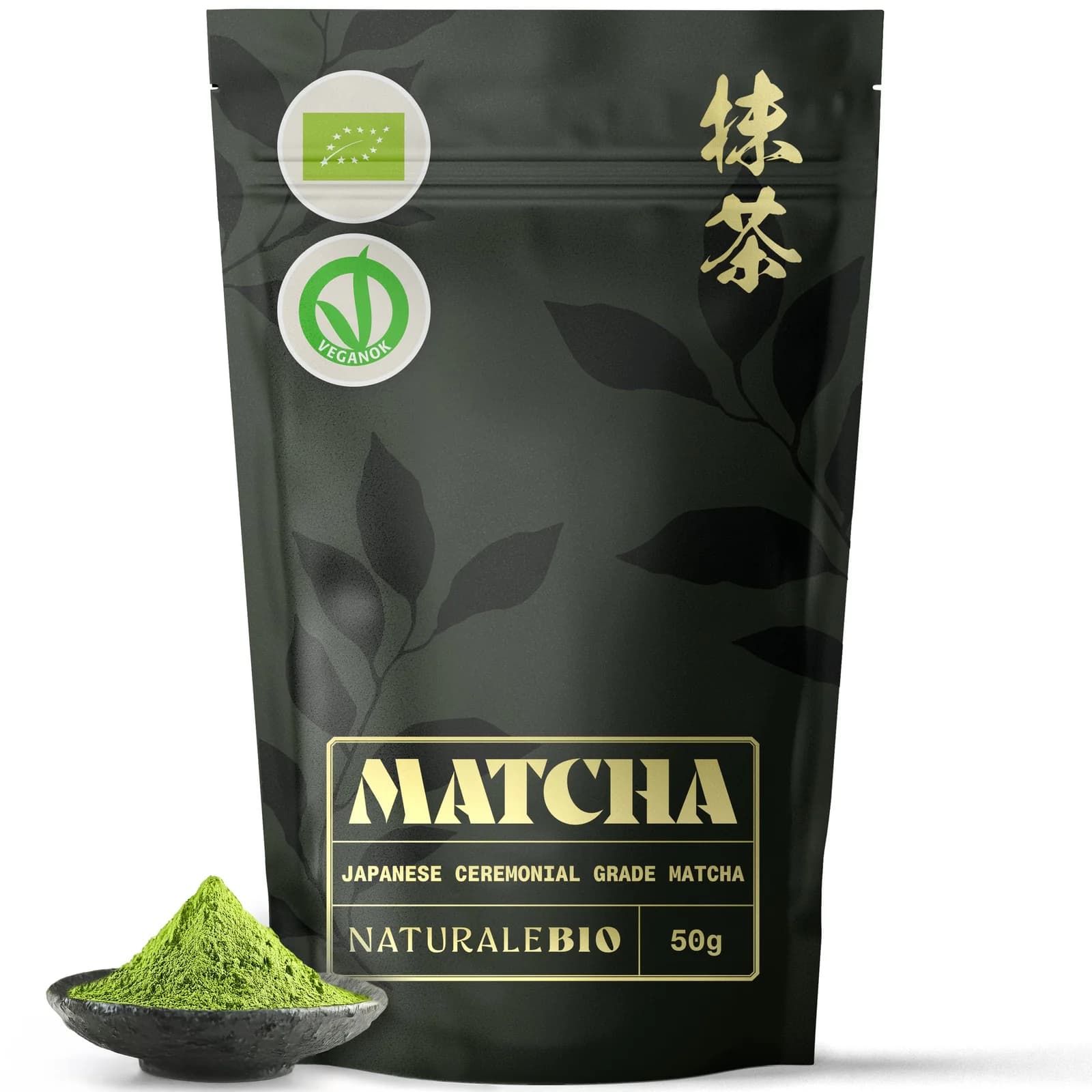
Matcha Cérémonial Bio
NaturaleBio · Cérémonial
Matcha Cérémonial Bio
NaturaleBio · Cérémonial
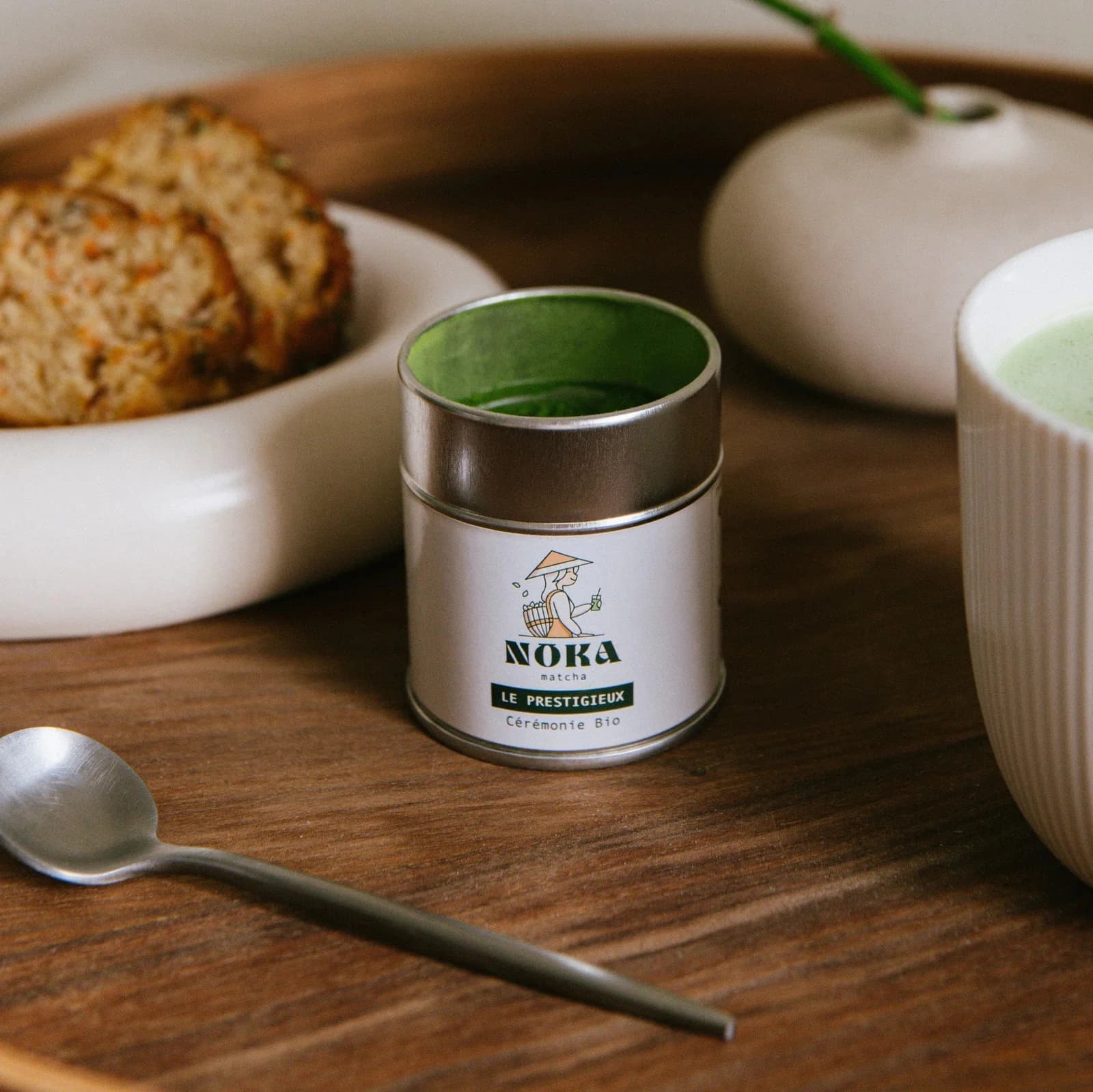
Le Prestigieux
Noka Matcha · Cérémonial
Le Prestigieux
Noka Matcha · Cérémonial
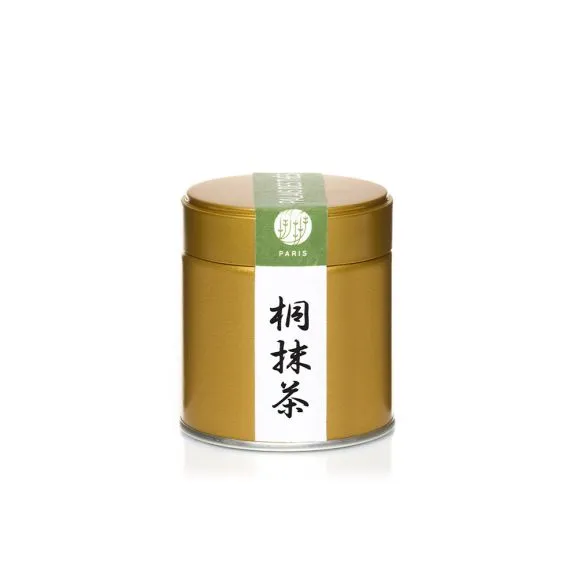
Matcha Kirishima Bio
Palais des Thés · Cérémonial
Matcha Kirishima Bio
Palais des Thés · Cérémonial
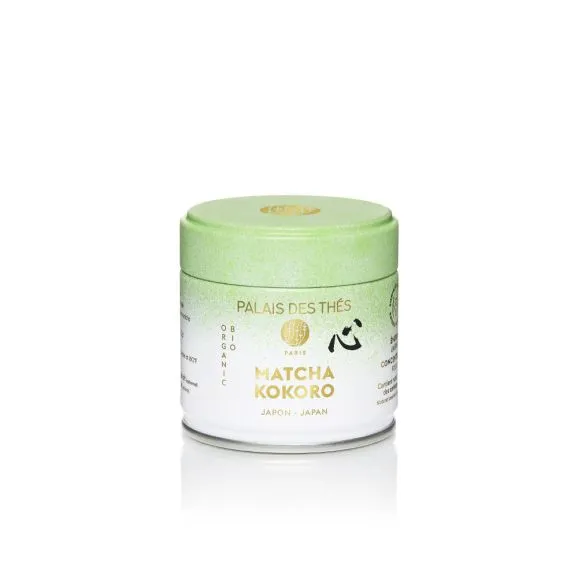
Matcha Kokoro Bio
Palais des Thés · Cérémonial
Matcha Kokoro Bio
Palais des Thés · Cérémonial
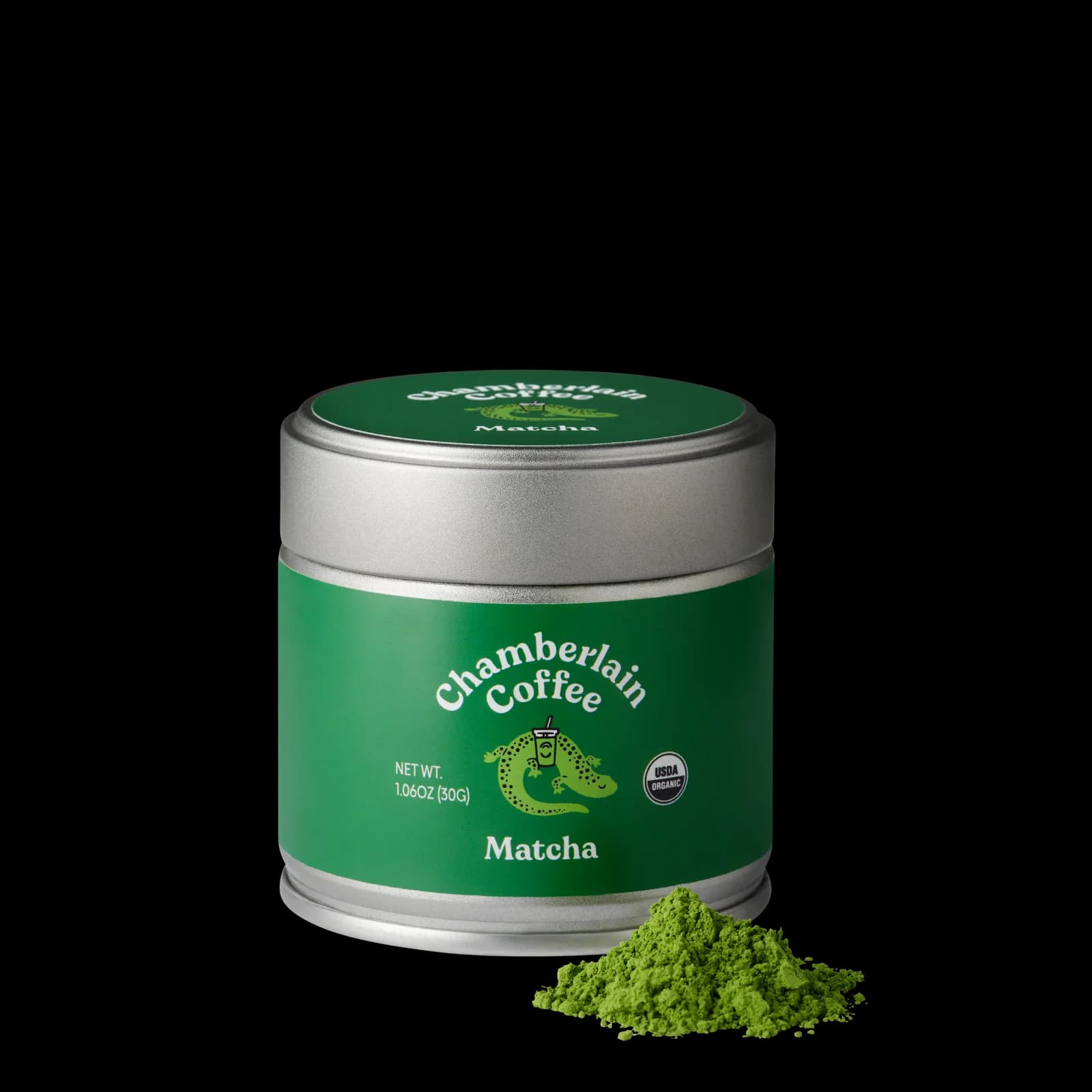
Matcha Original
Chamberlain Coffee · Cérémonial
Matcha Original
Chamberlain Coffee · Cérémonial
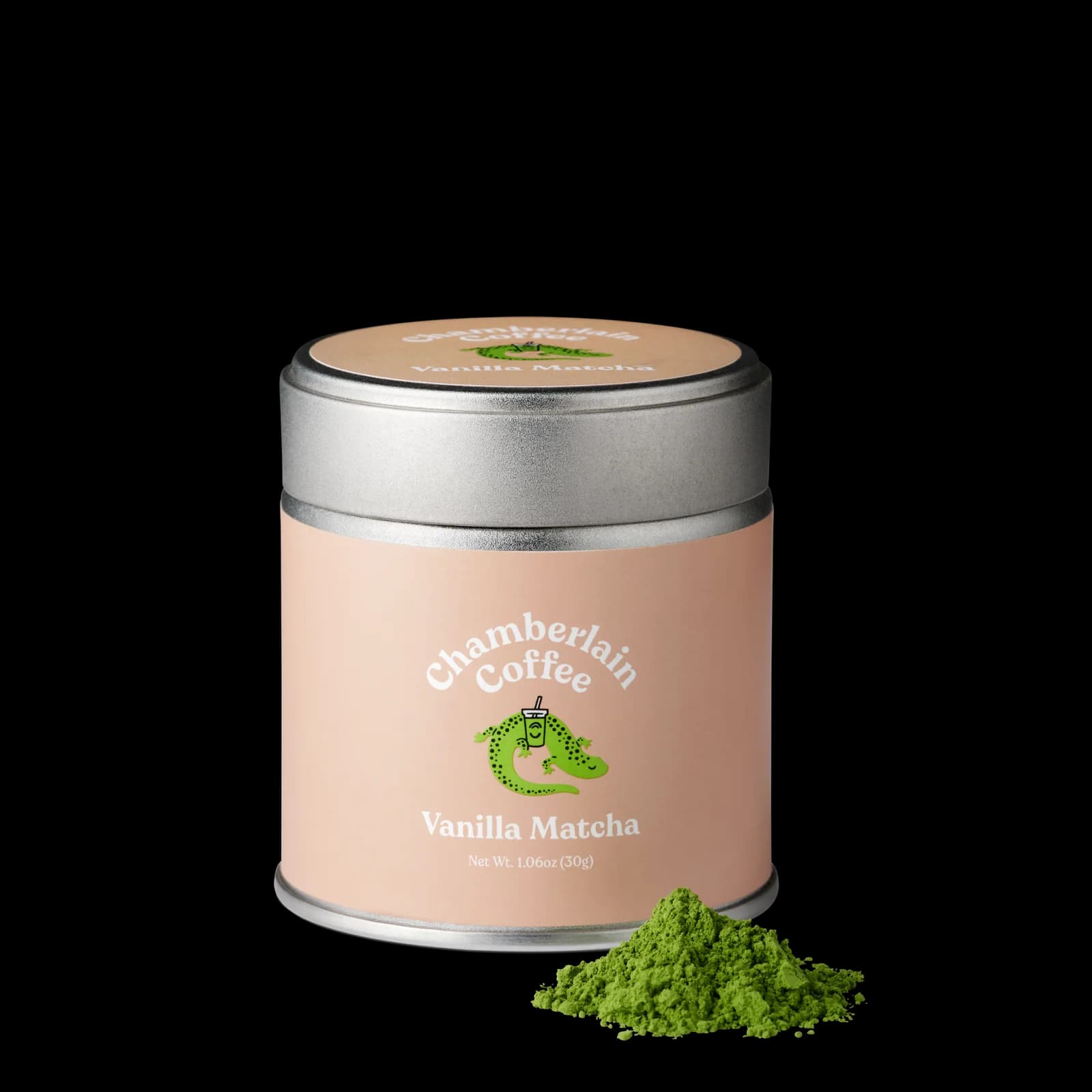
Matcha vanille
Chamberlain Coffee · Cérémonial
Matcha vanille
Chamberlain Coffee · Cérémonial
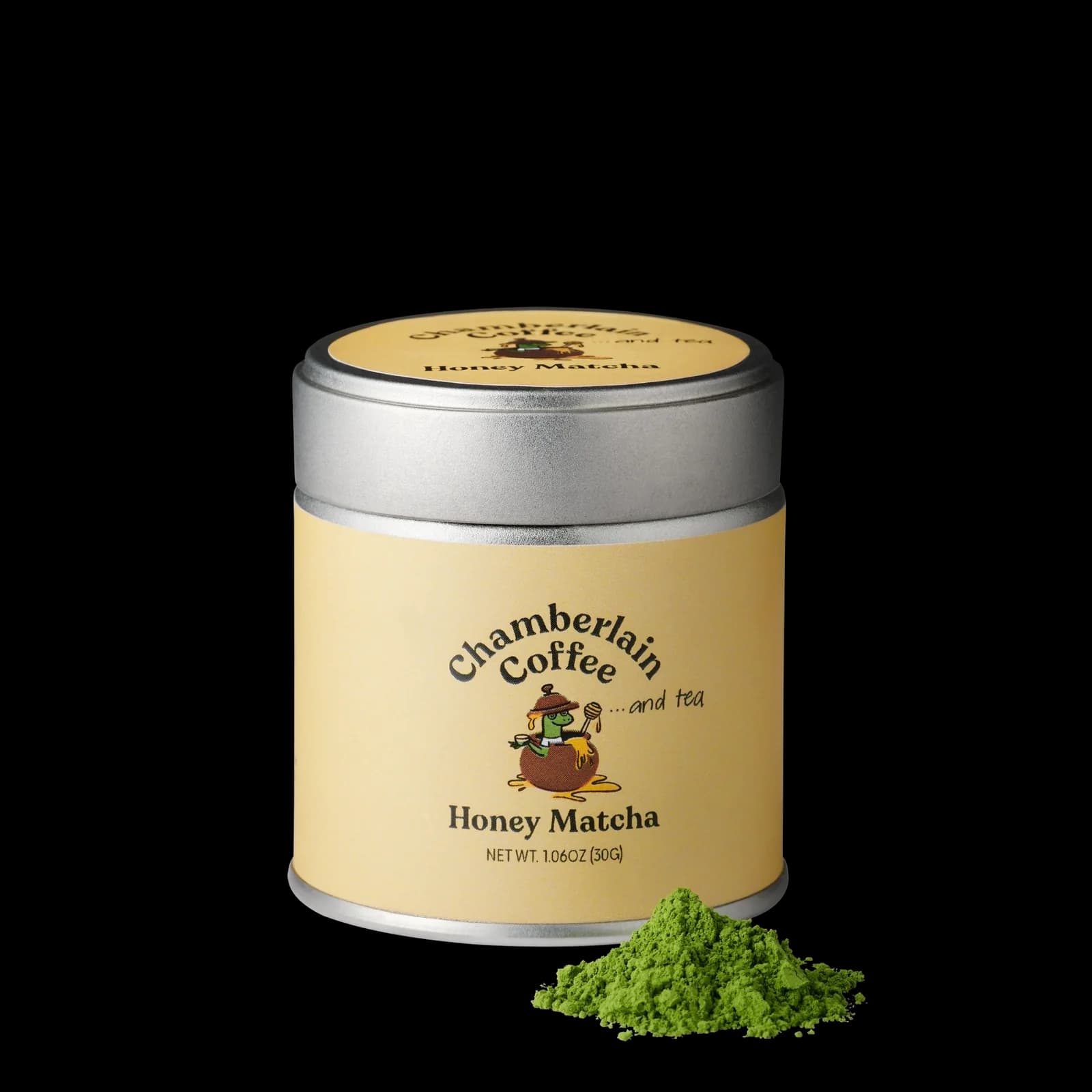
Matcha miel
Chamberlain Coffee · Cérémonial
Matcha miel
Chamberlain Coffee · Cérémonial
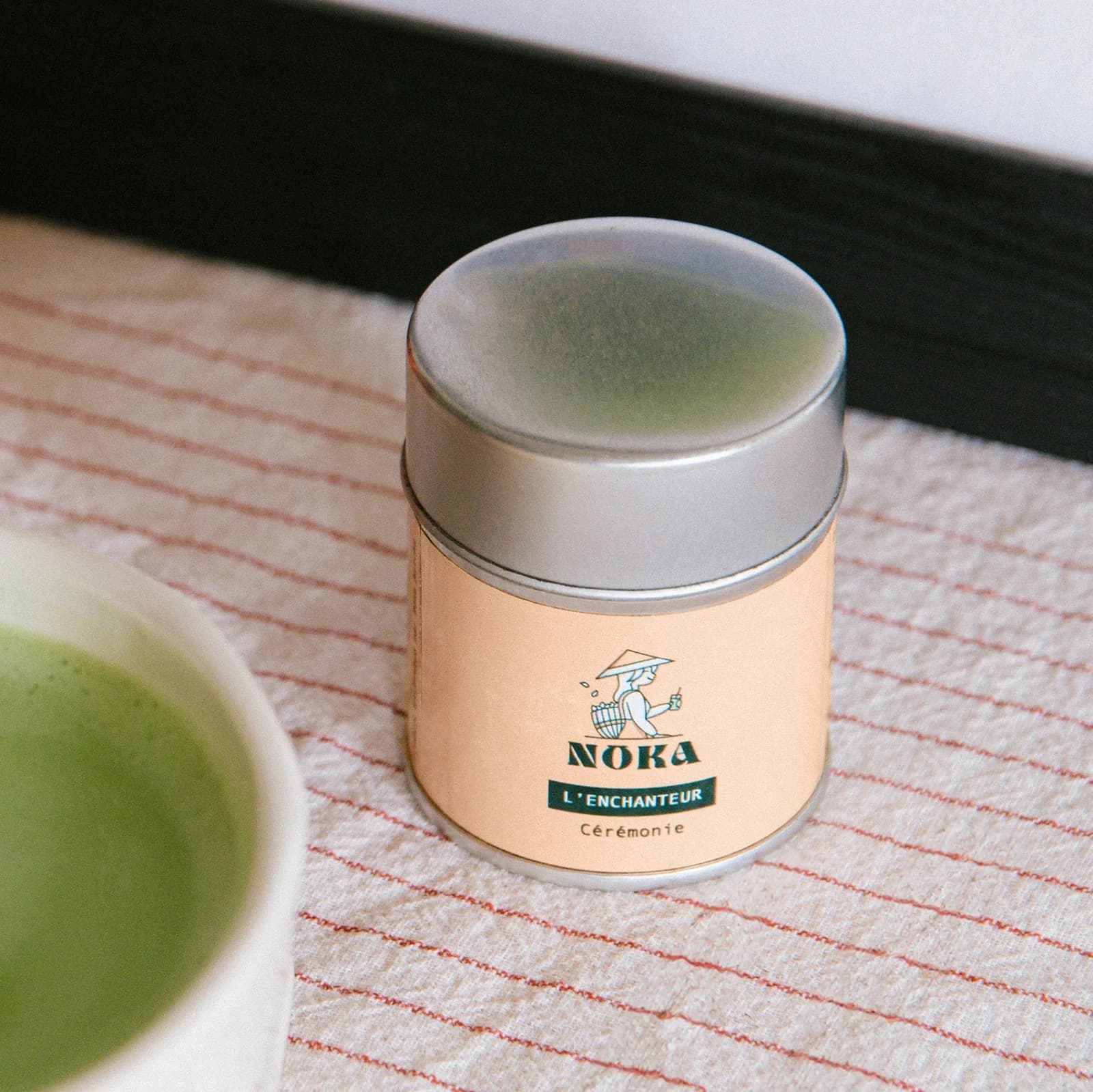
L'Enchanteur
Noka Matcha · Cérémonial
L'Enchanteur
Noka Matcha · Cérémonial
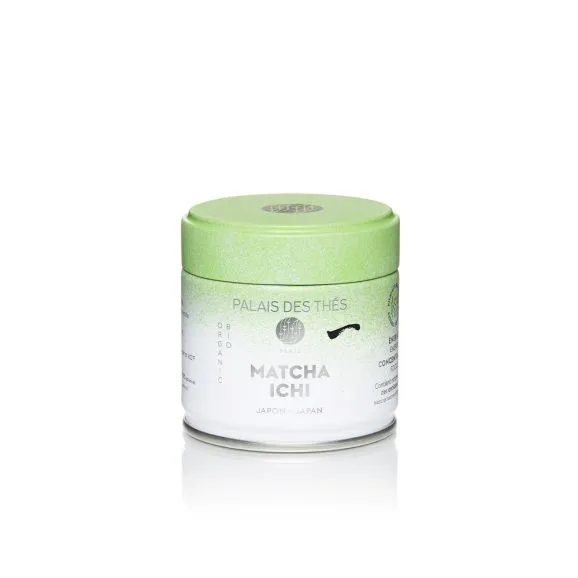
Matcha Ichi Bio
Palais des Thés · Cérémonial
Matcha Ichi Bio
Palais des Thés · Cérémonial
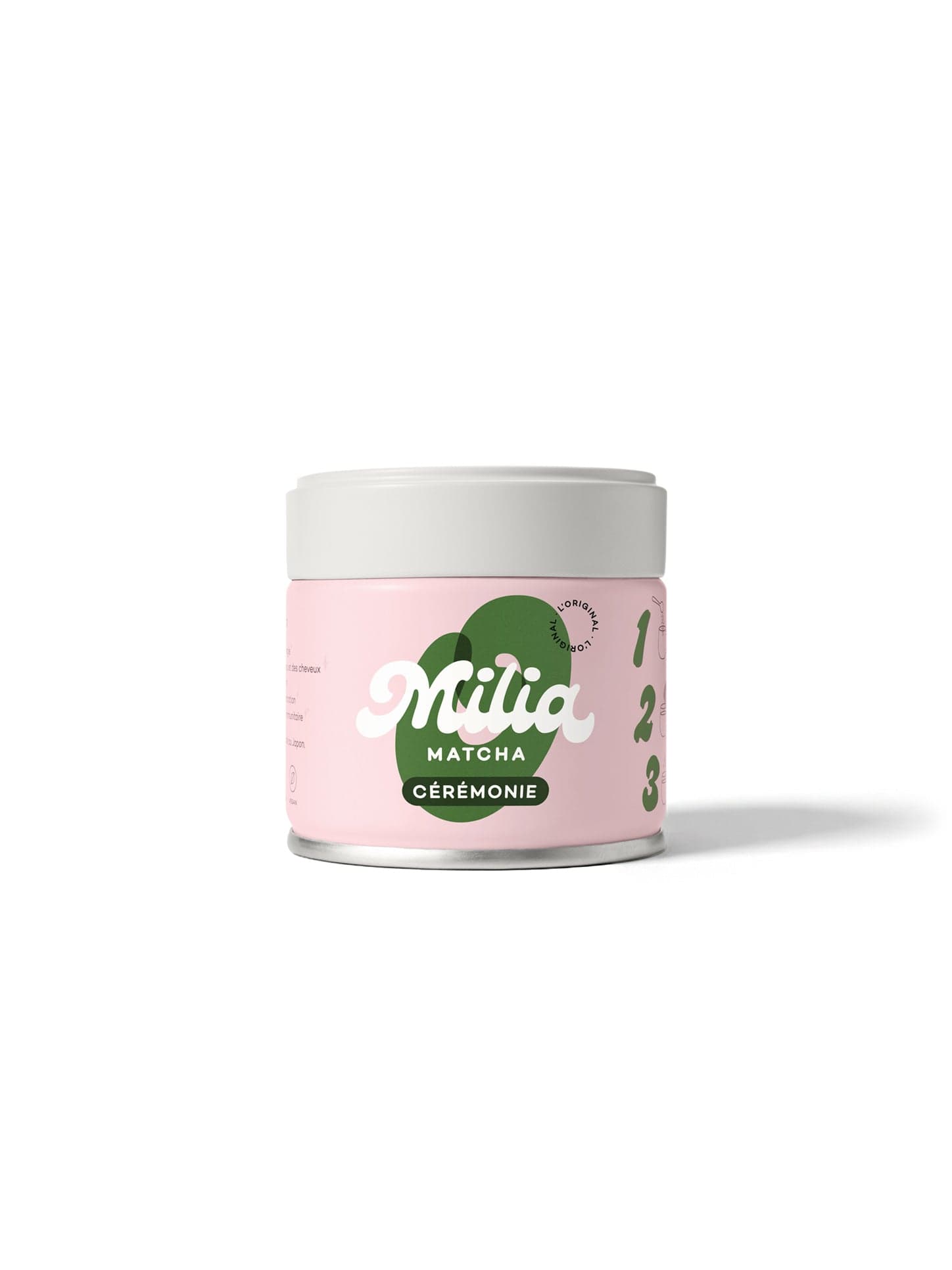
Matcha cérémonie
Milia Matcha · Cérémonial
Matcha cérémonie
Milia Matcha · Cérémonial
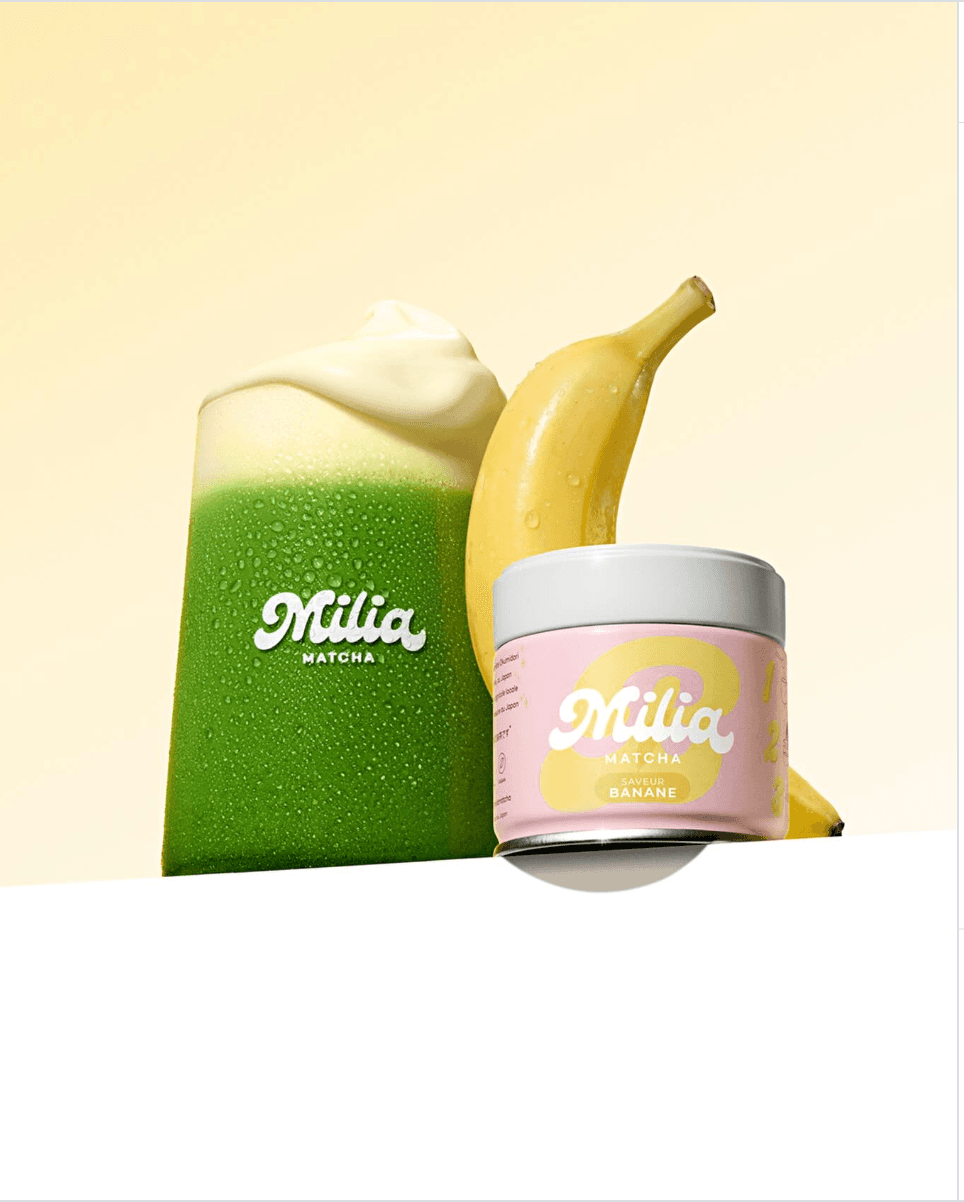
Matcha cérémonie banane
Milia Matcha · Cérémonial
Matcha cérémonie banane
Milia Matcha · Cérémonial
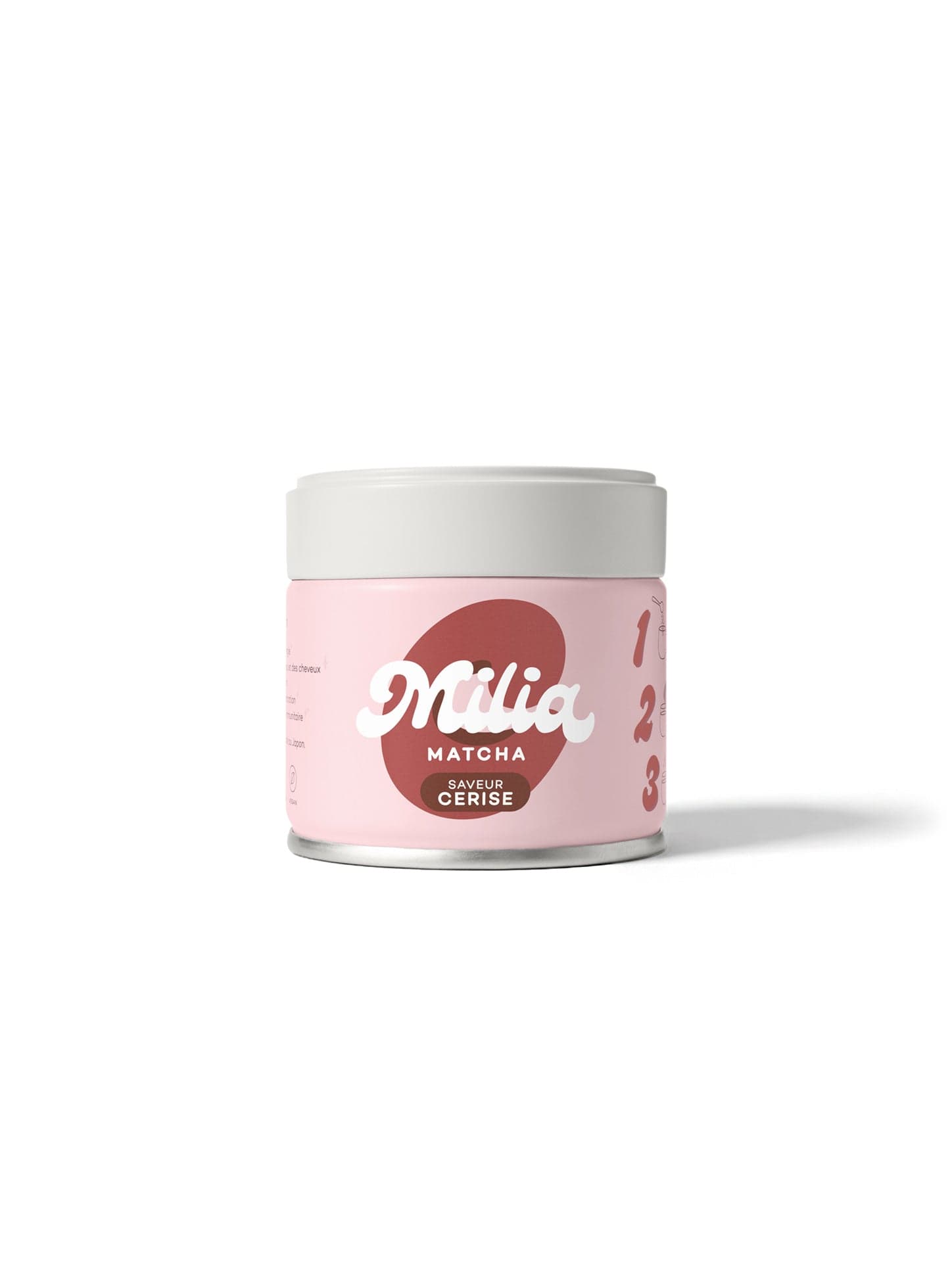
Matcha cérémonie cerise
Milia Matcha · Cérémonial
Matcha cérémonie cerise
Milia Matcha · Cérémonial
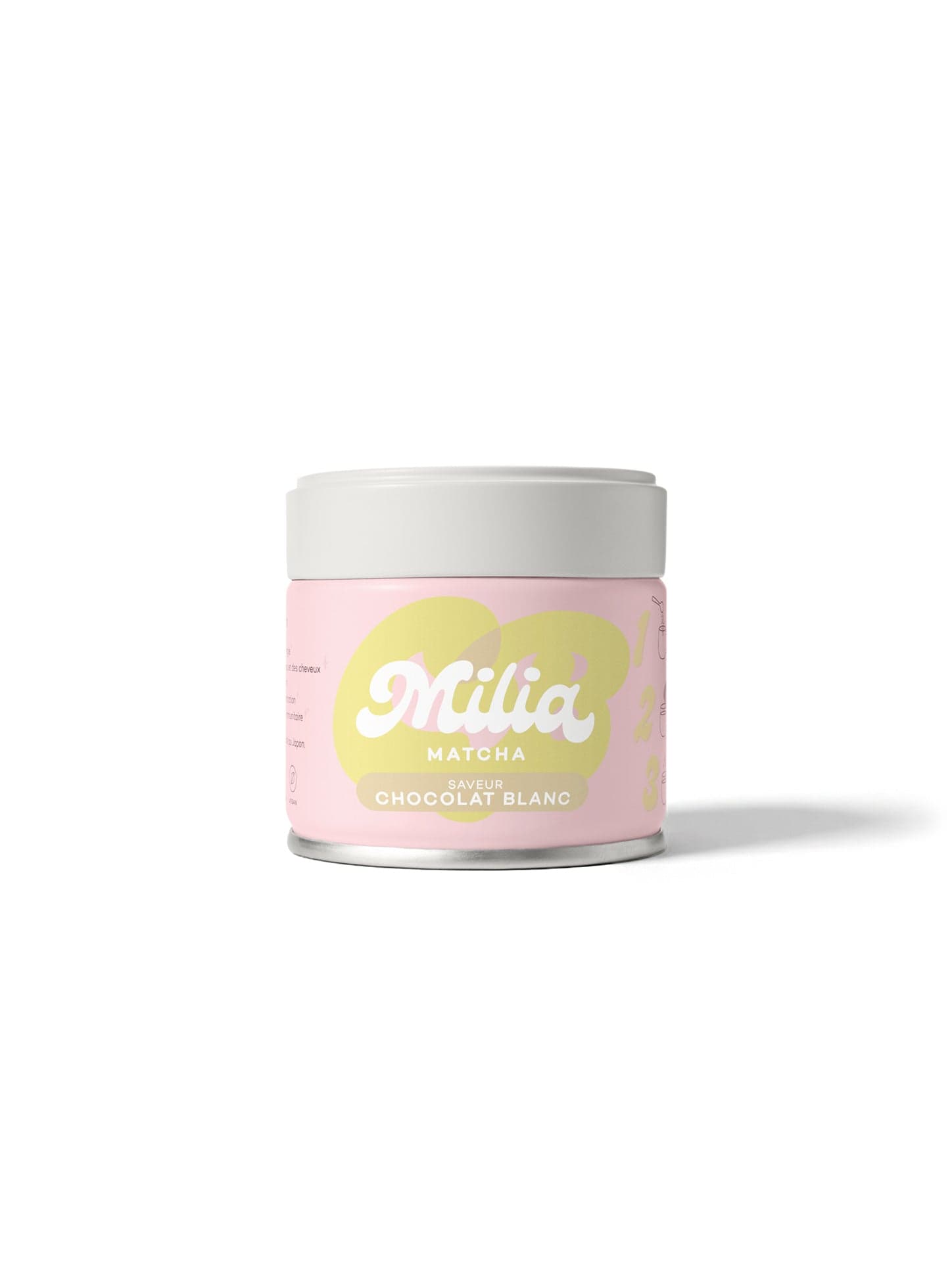
Matcha cérémonie chocolat blanc
Milia Matcha · Cérémonial
Matcha cérémonie chocolat blanc
Milia Matcha · Cérémonial
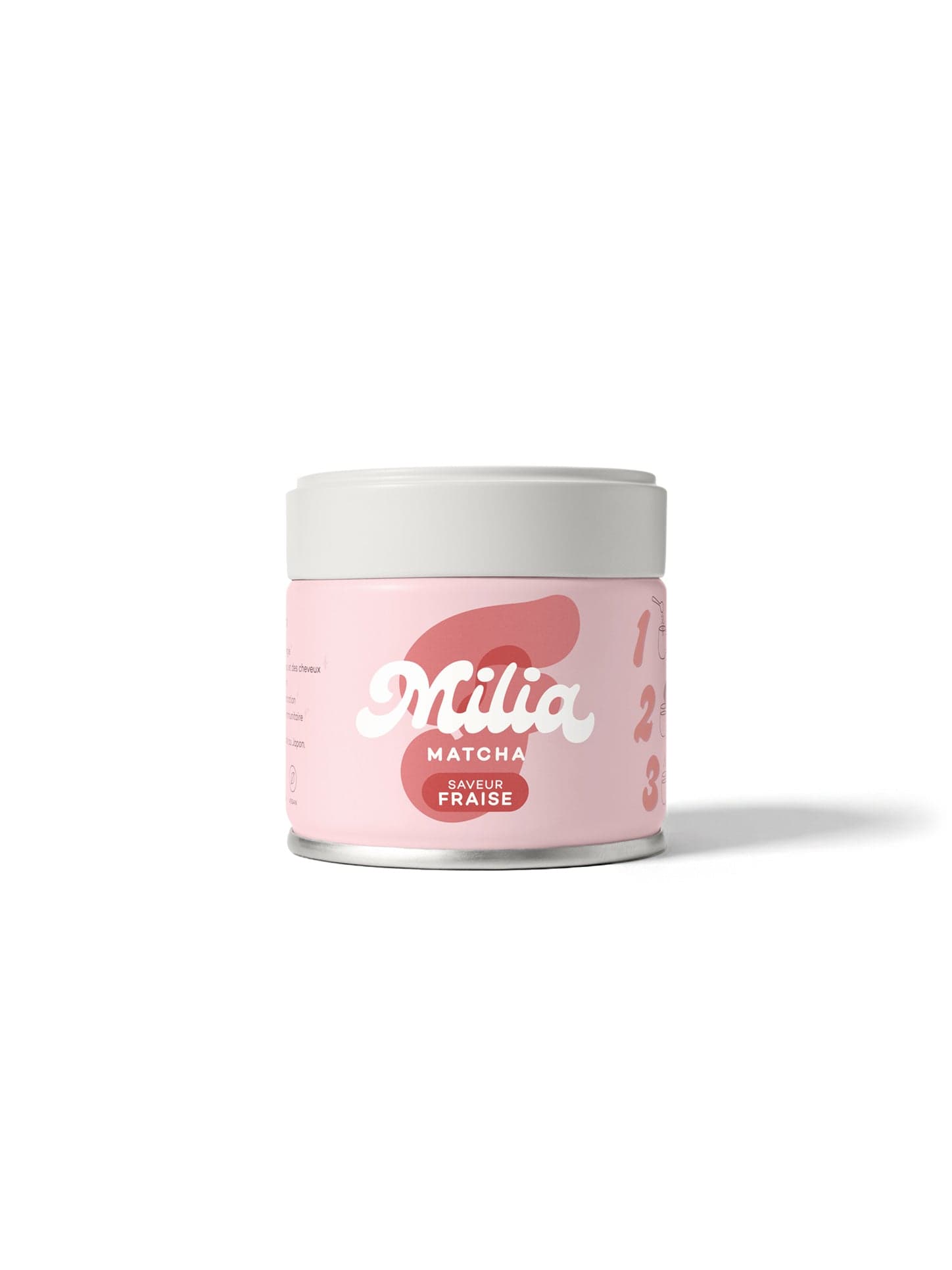
Matcha cérémonie fraise
Milia Matcha · Cérémonial
Matcha cérémonie fraise
Milia Matcha · Cérémonial
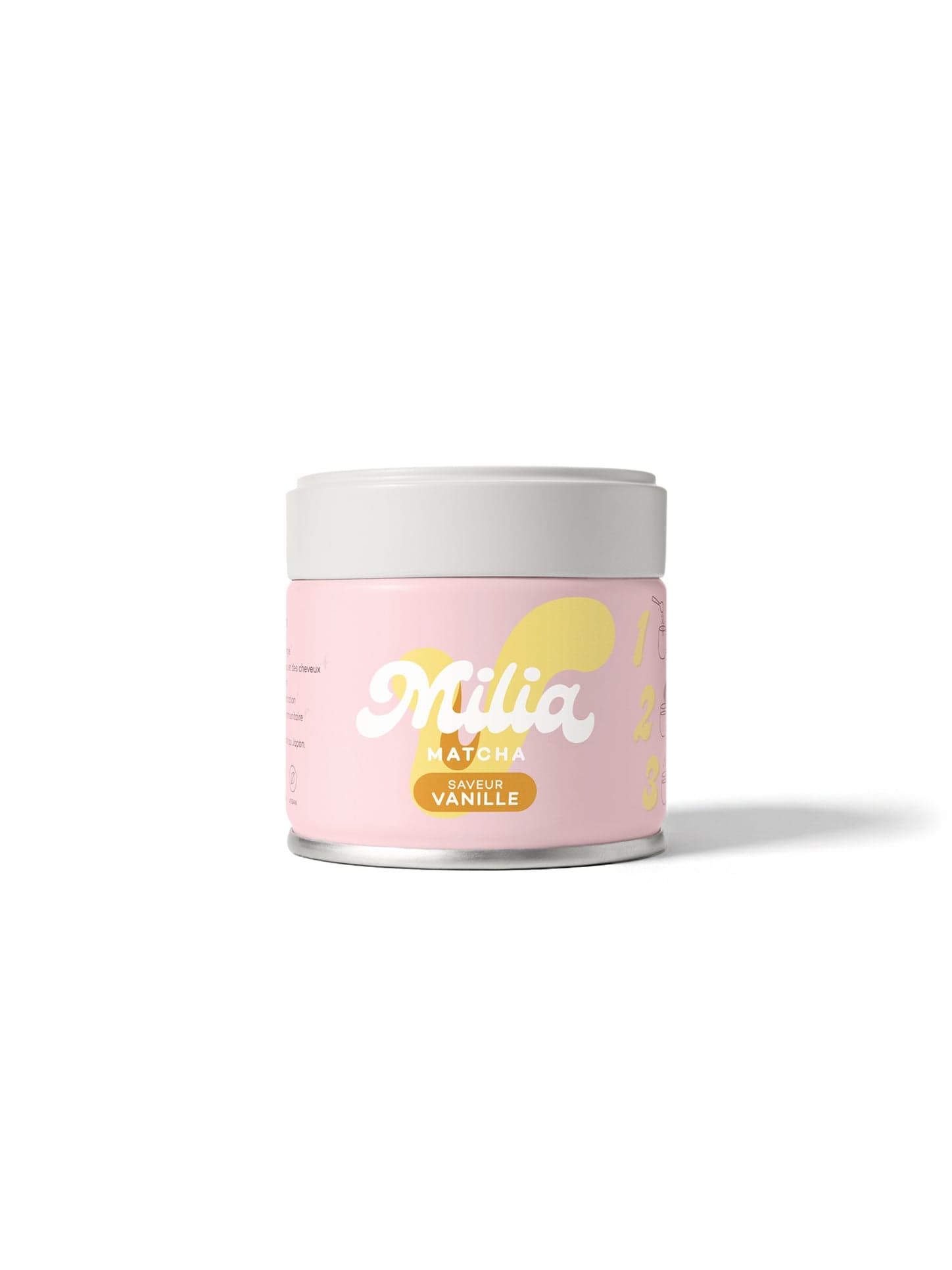
Matcha cérémonie vanille
Milia Matcha · Cérémonial
Matcha cérémonie vanille
Milia Matcha · Cérémonial
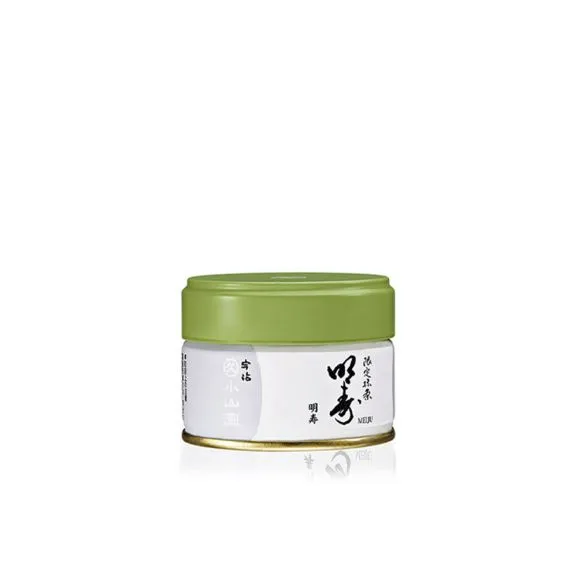
Matcha Meiju
Palais des Thés · Cérémonial
Matcha Meiju
Palais des Thés · Cérémonial
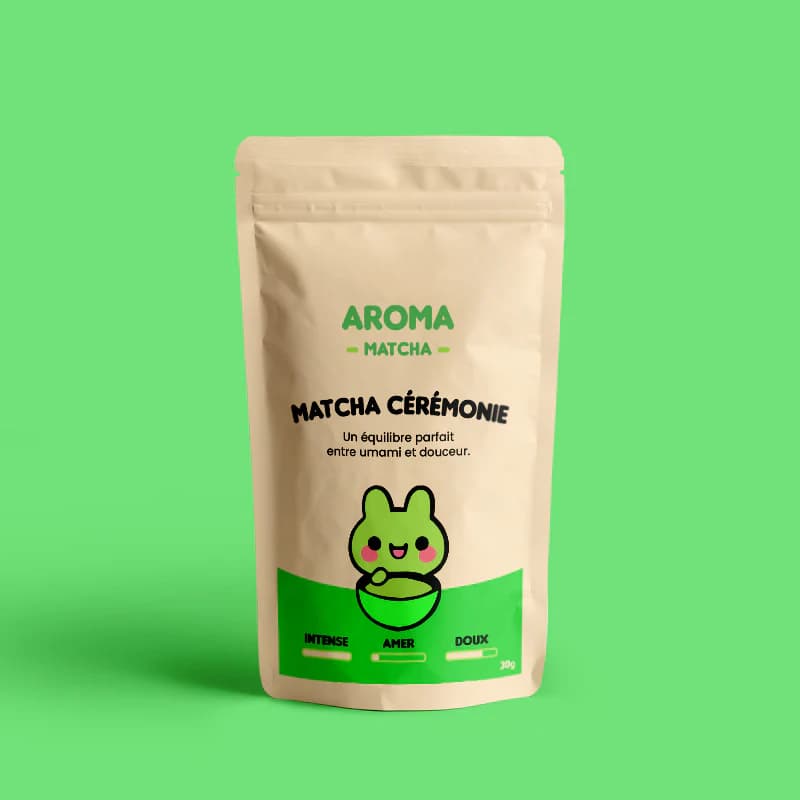
Matcha Cérémonie Bio
Aroma Matcha · Cérémonial
Matcha Cérémonie Bio
Aroma Matcha · Cérémonial
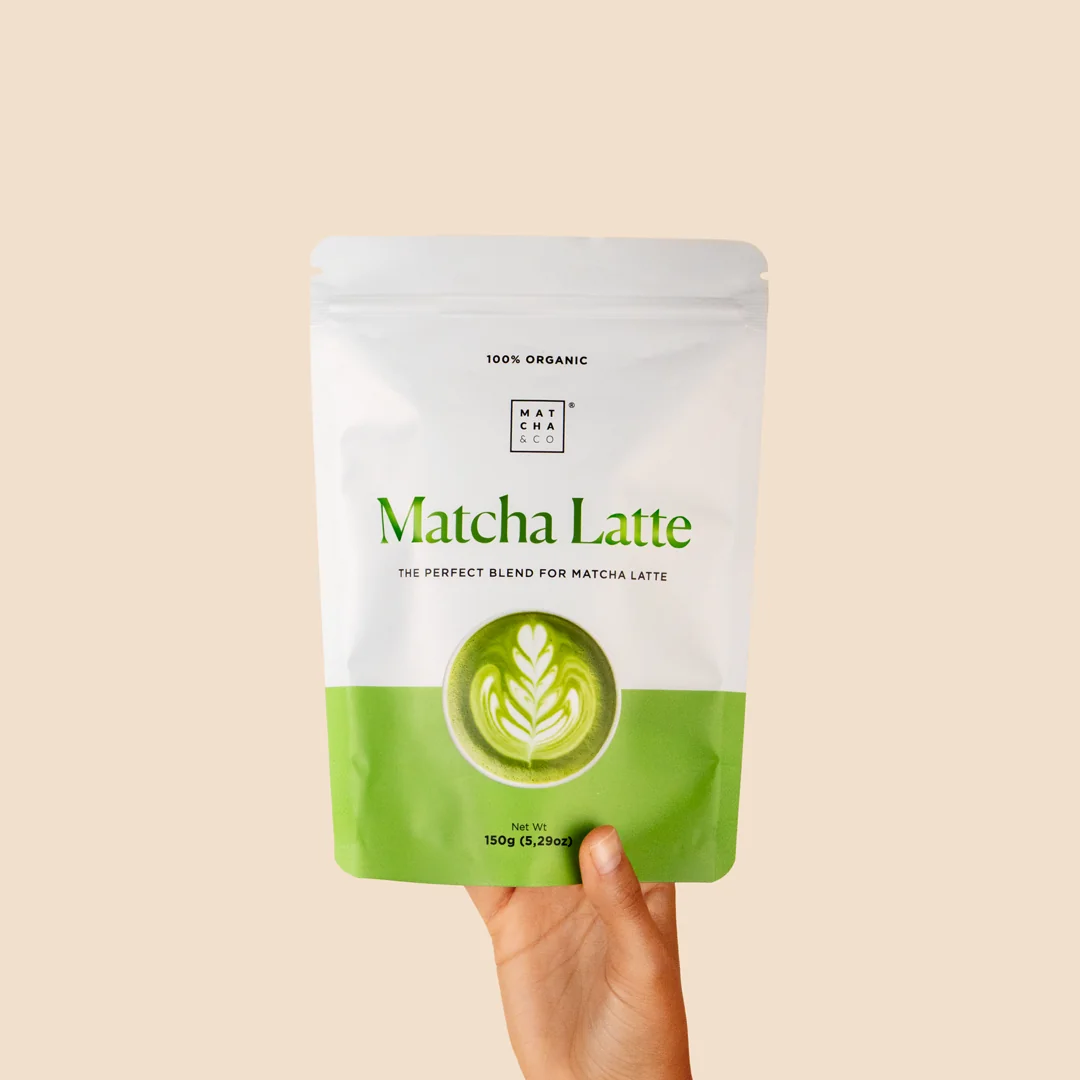
Matcha Latte
Matcha & Co · Cérémonial
Matcha Latte
Matcha & Co · Cérémonial
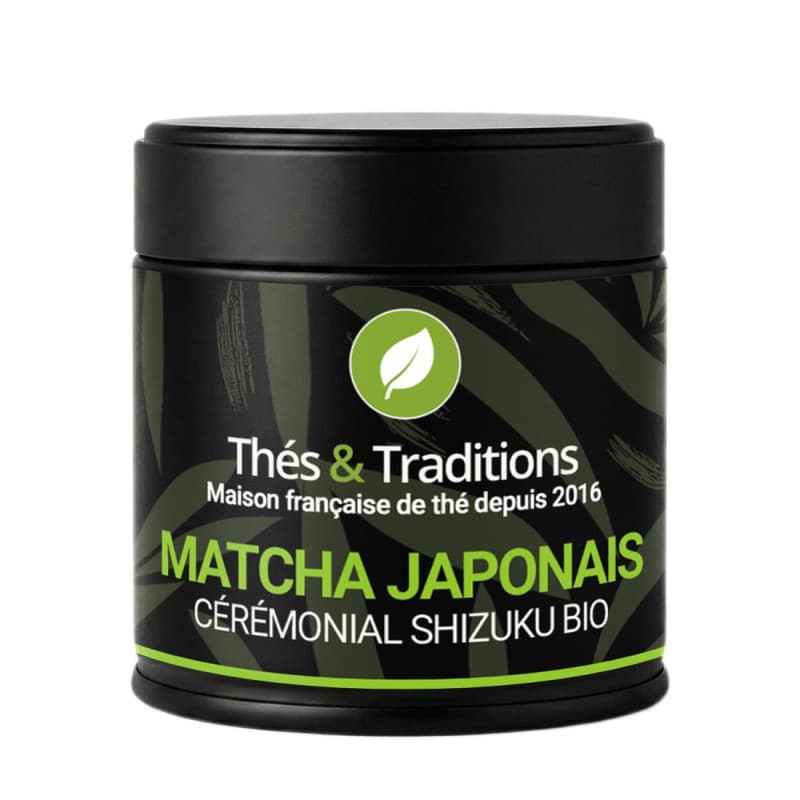
Matcha Bio Shizuku
Thés & Traditions · Cérémonial
Matcha Bio Shizuku
Thés & Traditions · Cérémonial
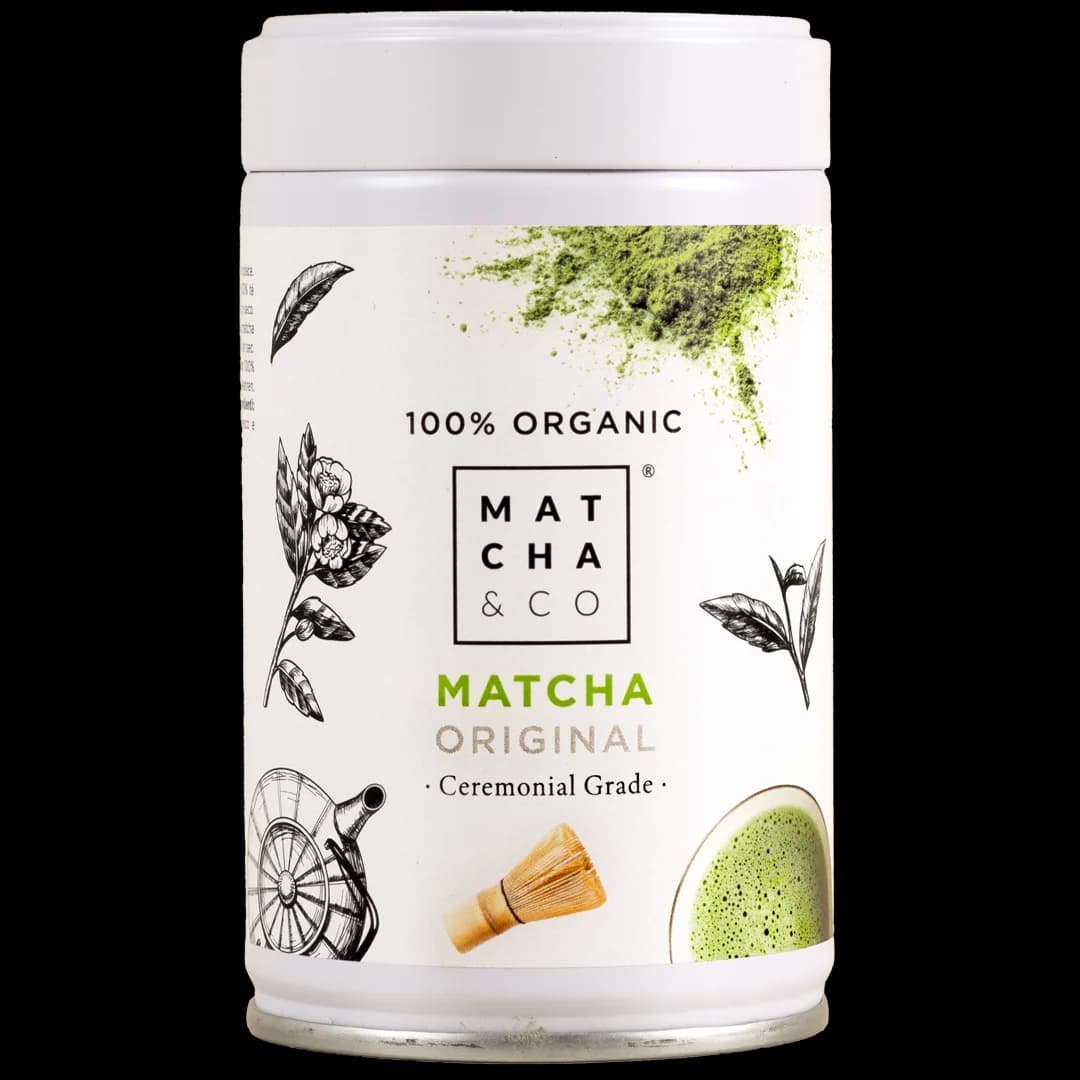
Thé Matcha Original
Matcha & Co · Cérémonial
Thé Matcha Original
Matcha & Co · Cérémonial
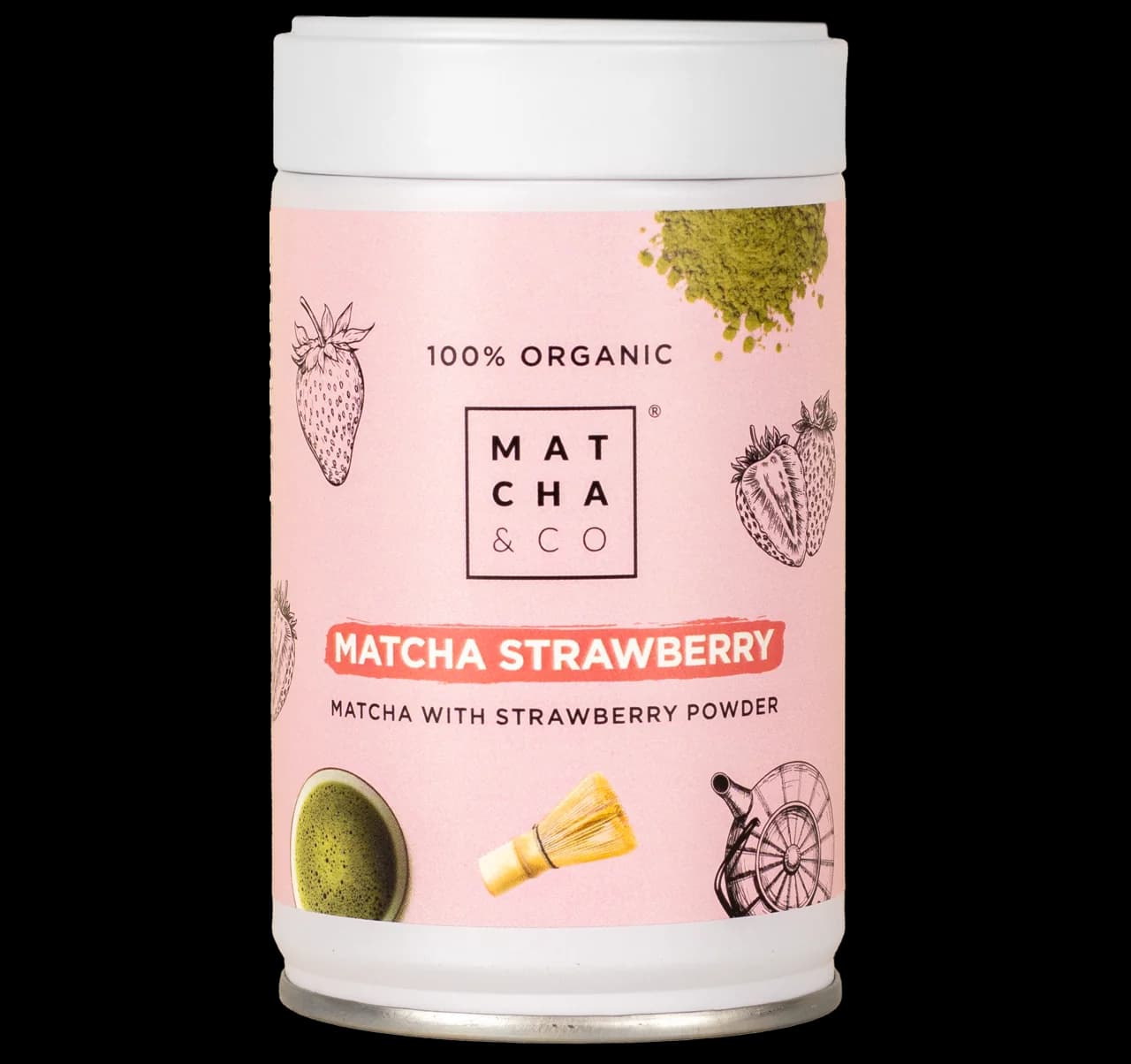
Matcha Fraise
Matcha & Co · Cérémonial
Matcha Fraise
Matcha & Co · Cérémonial
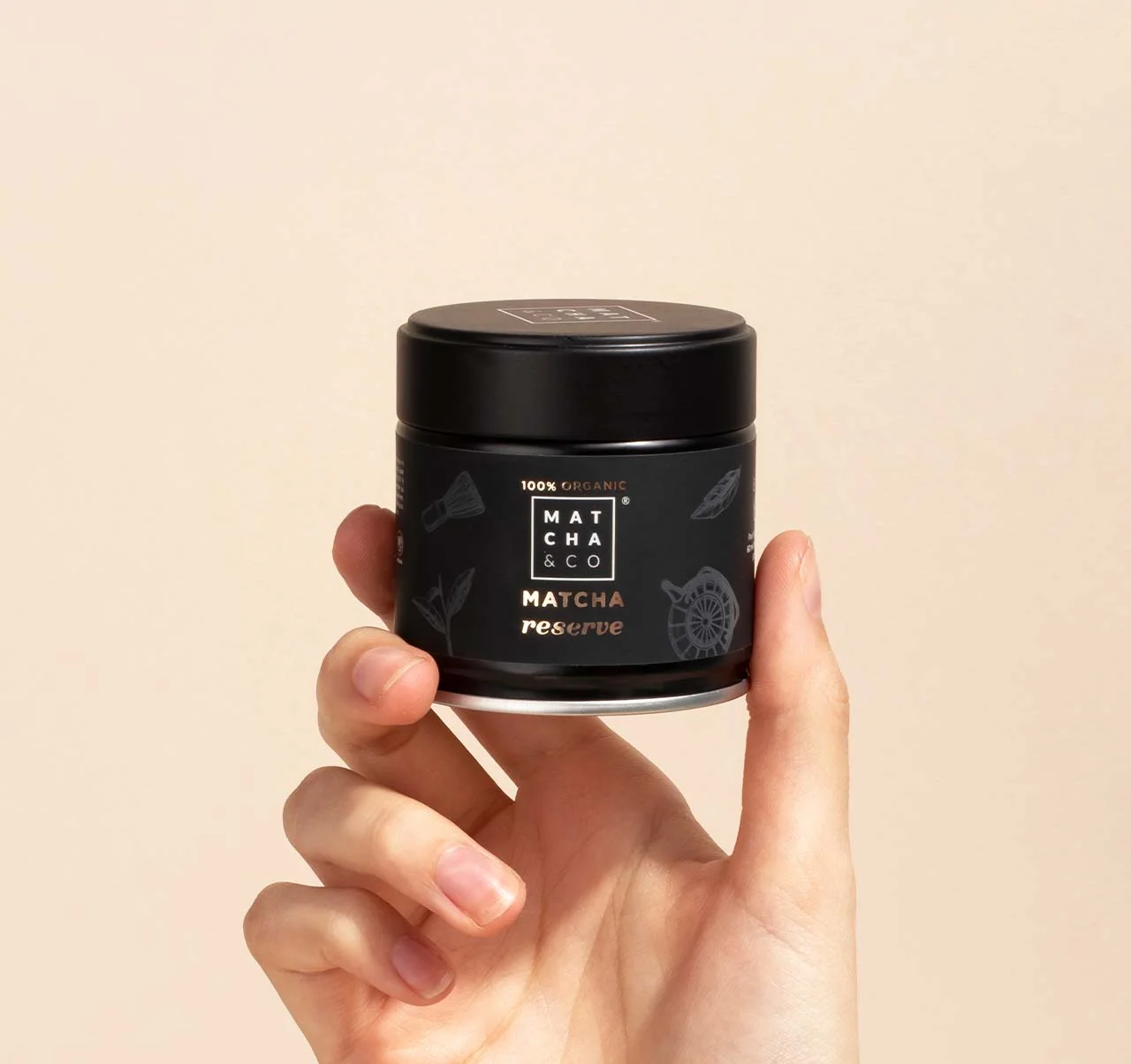
Thé Matcha Réserve
Matcha & Co · Cérémonial
Thé Matcha Réserve
Matcha & Co · Cérémonial
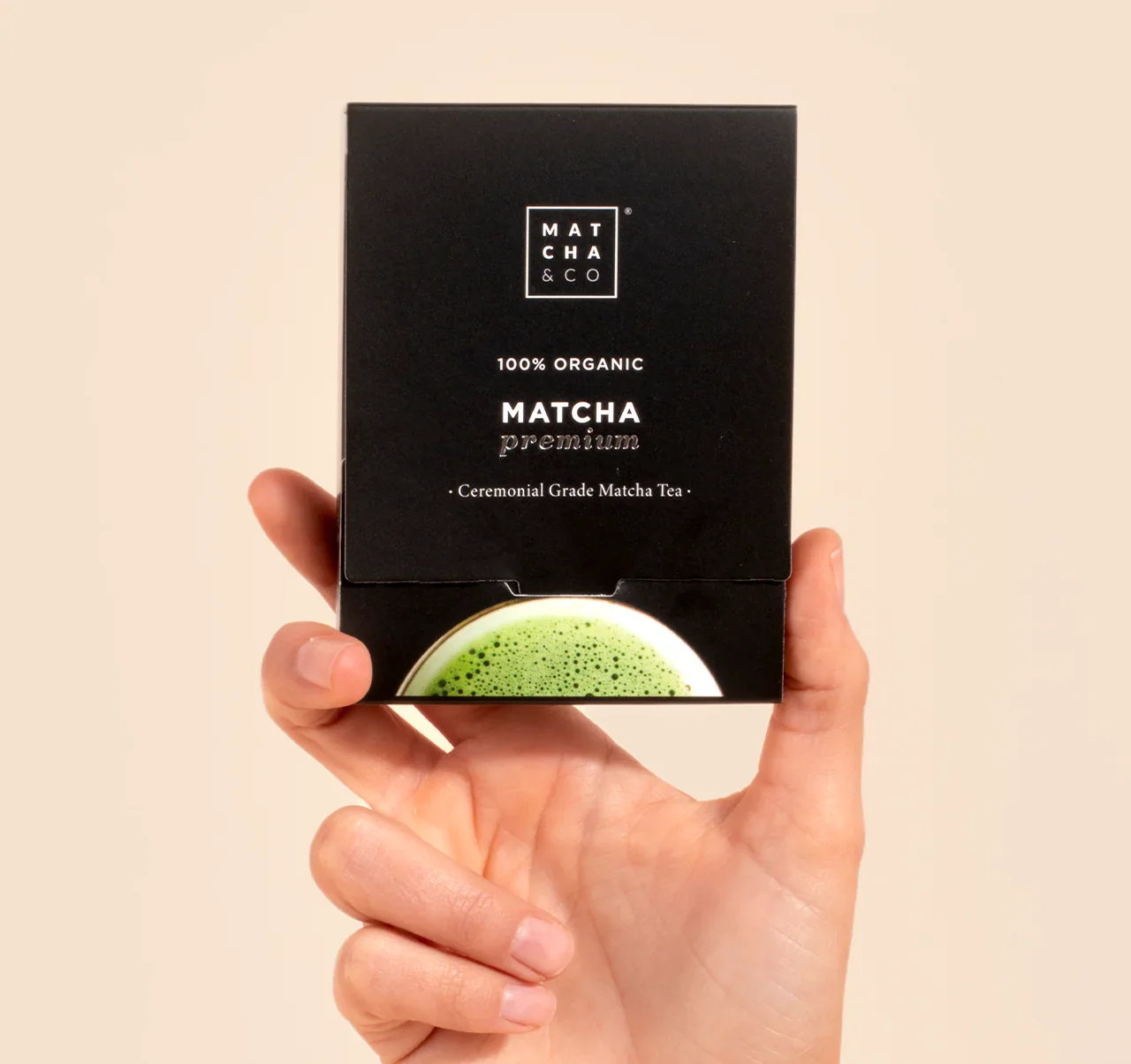
Matcha Premium To Go
Matcha & Co · Cérémonial
Matcha Premium To Go
Matcha & Co · Cérémonial
Matcha Kyoto
Mariage Frères · Cérémonial
Matcha Kyoto
Mariage Frères · Cérémonial
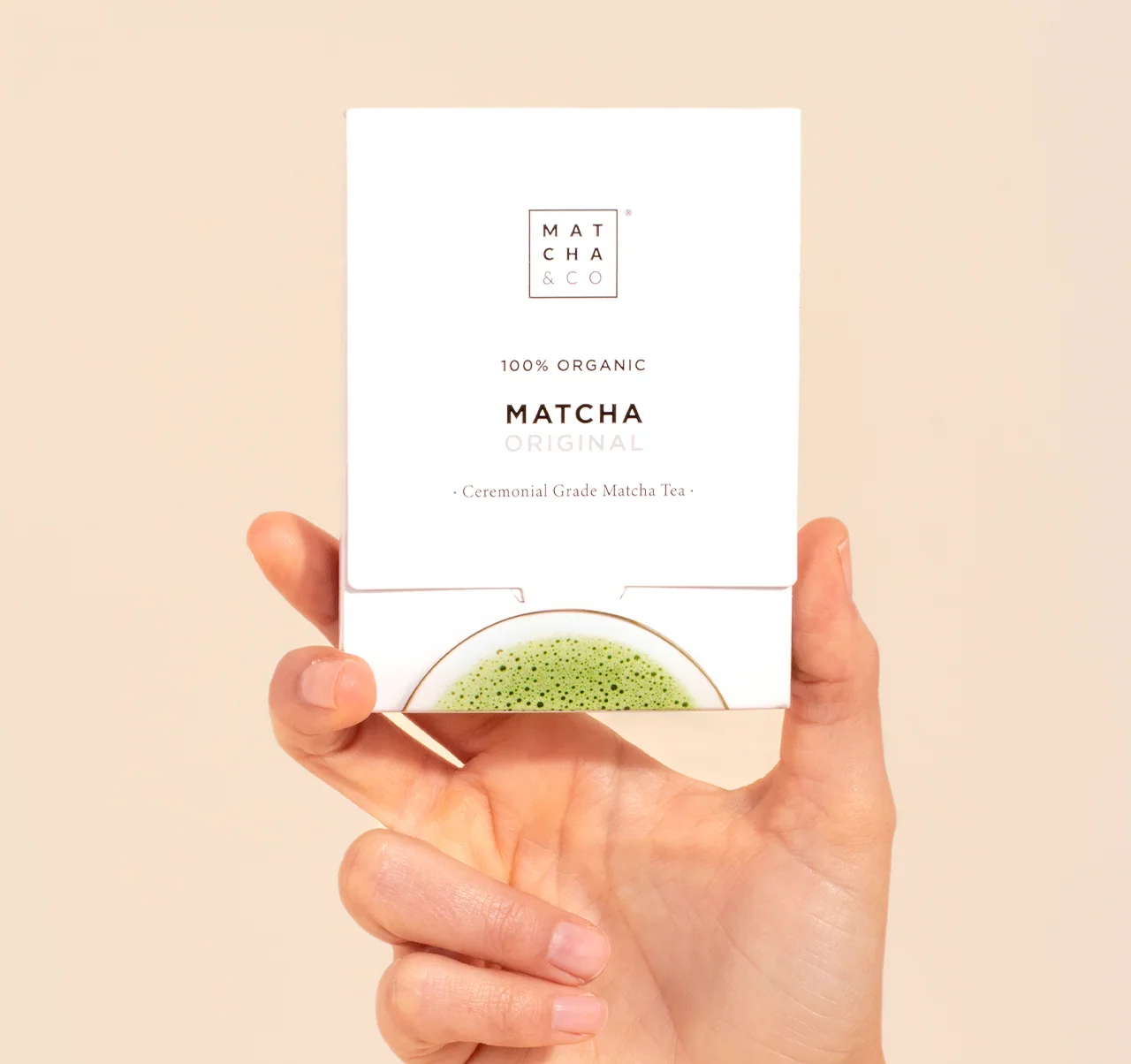
Matcha Original To Go
Matcha & Co · Cérémonial
Matcha Original To Go
Matcha & Co · Cérémonial
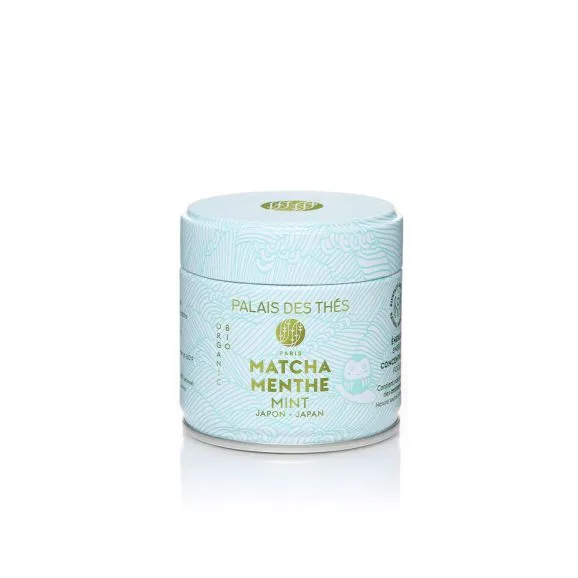
Matcha Menthe Bio
Palais des Thés · Cérémonial
Matcha Menthe Bio
Palais des Thés · Cérémonial
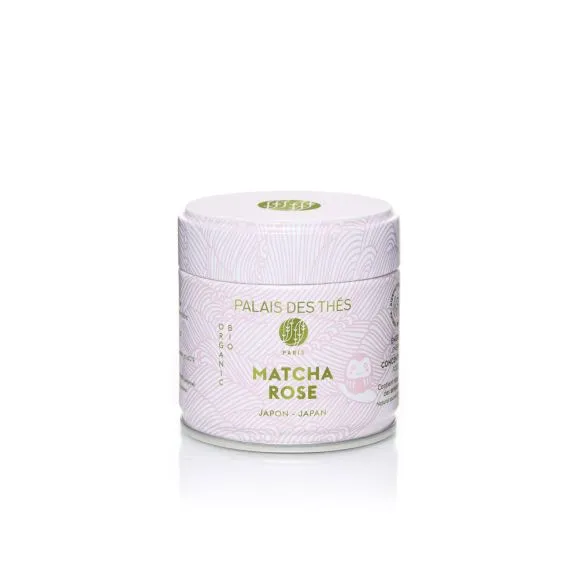
Matcha Rose Bio
Palais des Thés · Cérémonial
Matcha Rose Bio
Palais des Thés · Cérémonial
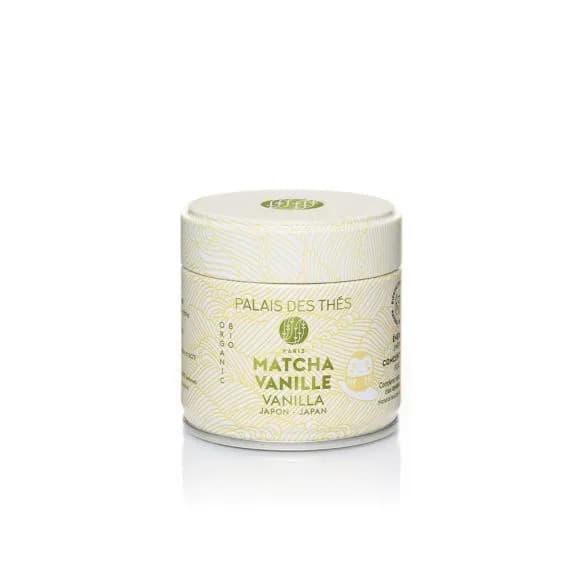
Matcha Vanille Bio
Palais des Thés · Cérémonial
Matcha Vanille Bio
Palais des Thés · Cérémonial
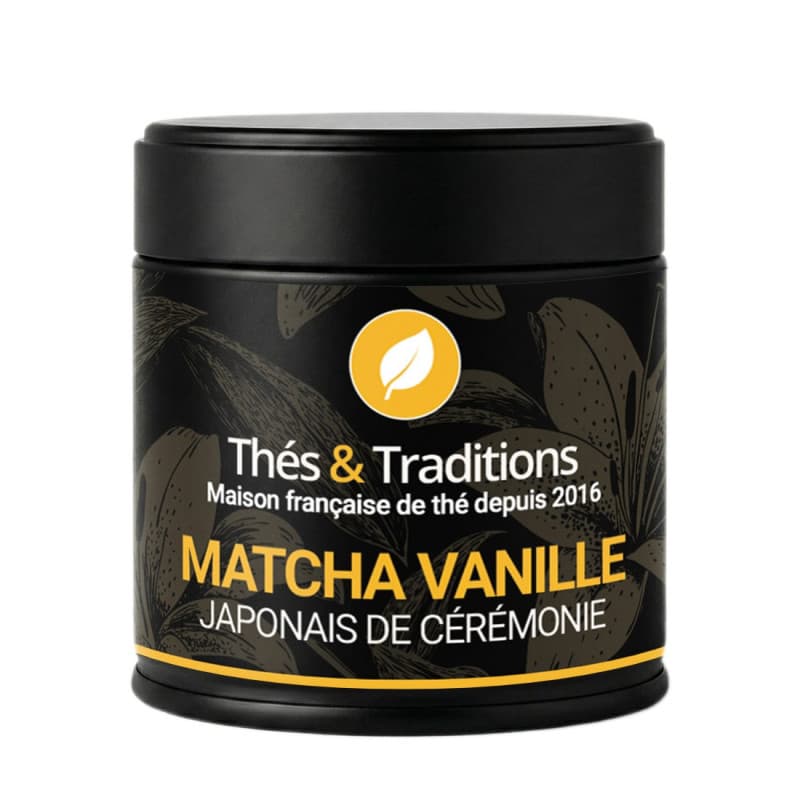
Matcha Shizuku Vanille
Thés & Traditions · Cérémonial
Matcha Shizuku Vanille
Thés & Traditions · Cérémonial
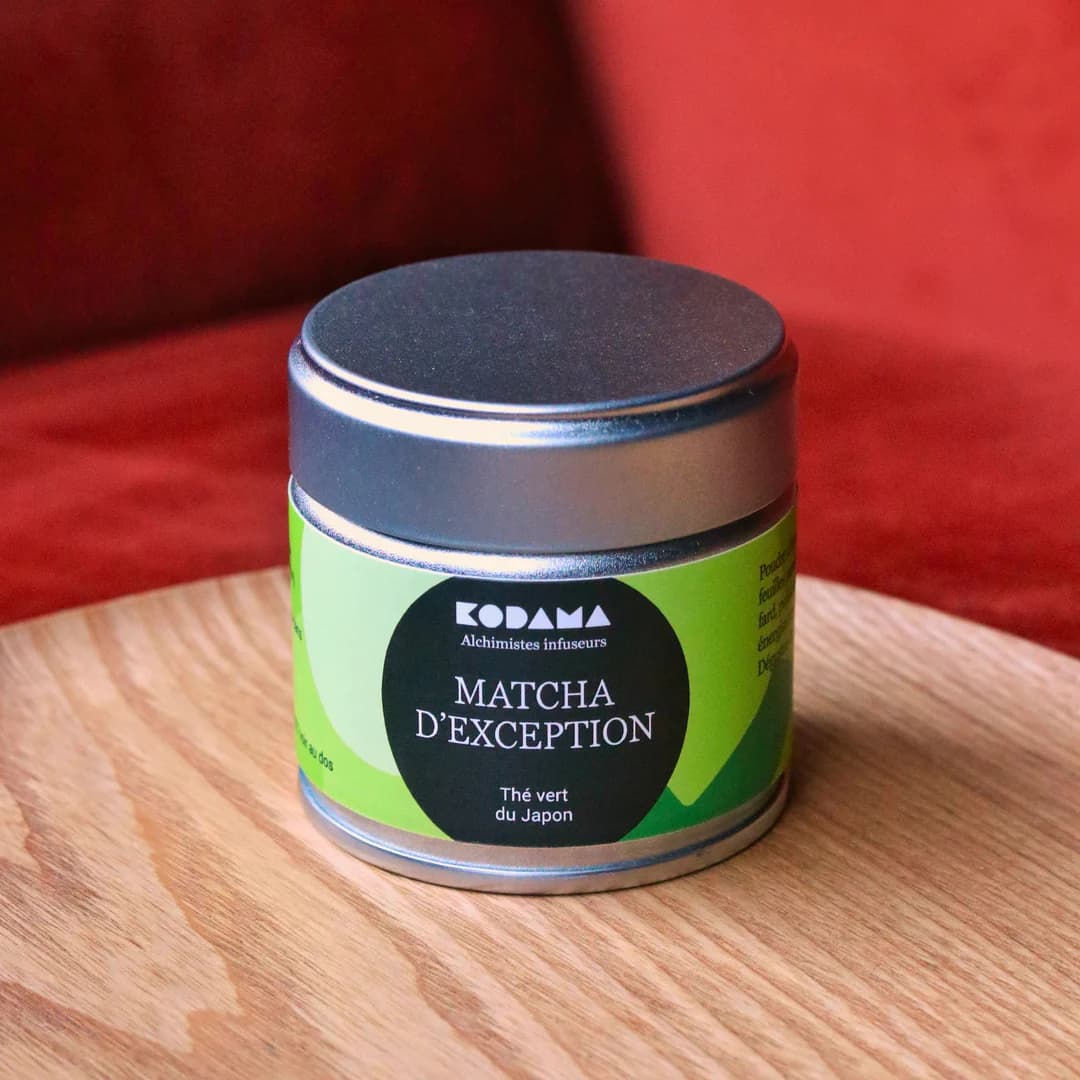
Matcha Bio d'exception
Kodama Paris · Cérémonial
Matcha Bio d'exception
Kodama Paris · Cérémonial
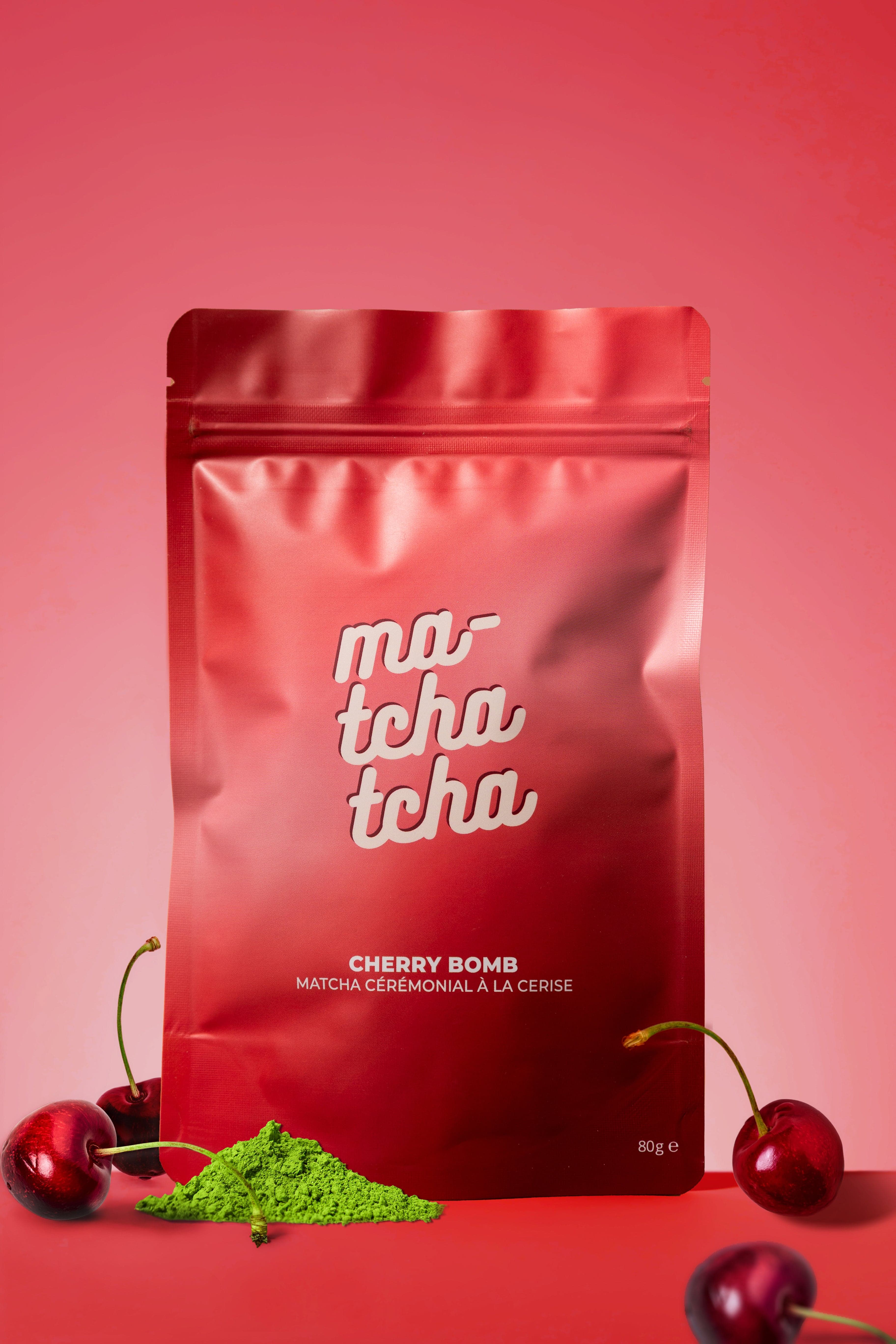
Cherry Bomb - Cérémonial Cerise
Ma-TchaTcha · Cérémonial
Cherry Bomb - Cérémonial Cerise
Ma-TchaTcha · Cérémonial
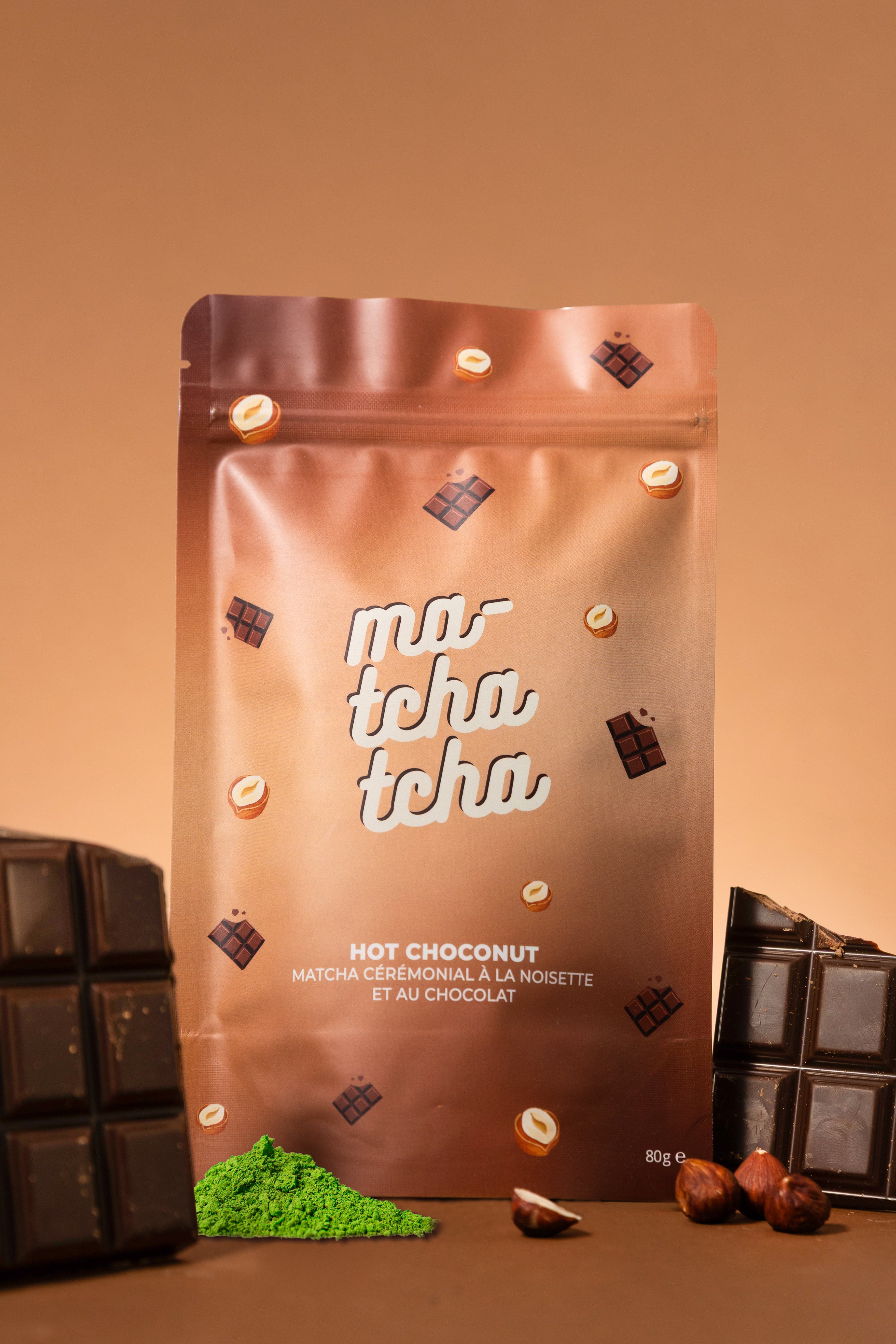
Hot Choconut - Chocolat Noisette
Ma-TchaTcha · Cérémonial
Hot Choconut - Chocolat Noisette
Ma-TchaTcha · Cérémonial
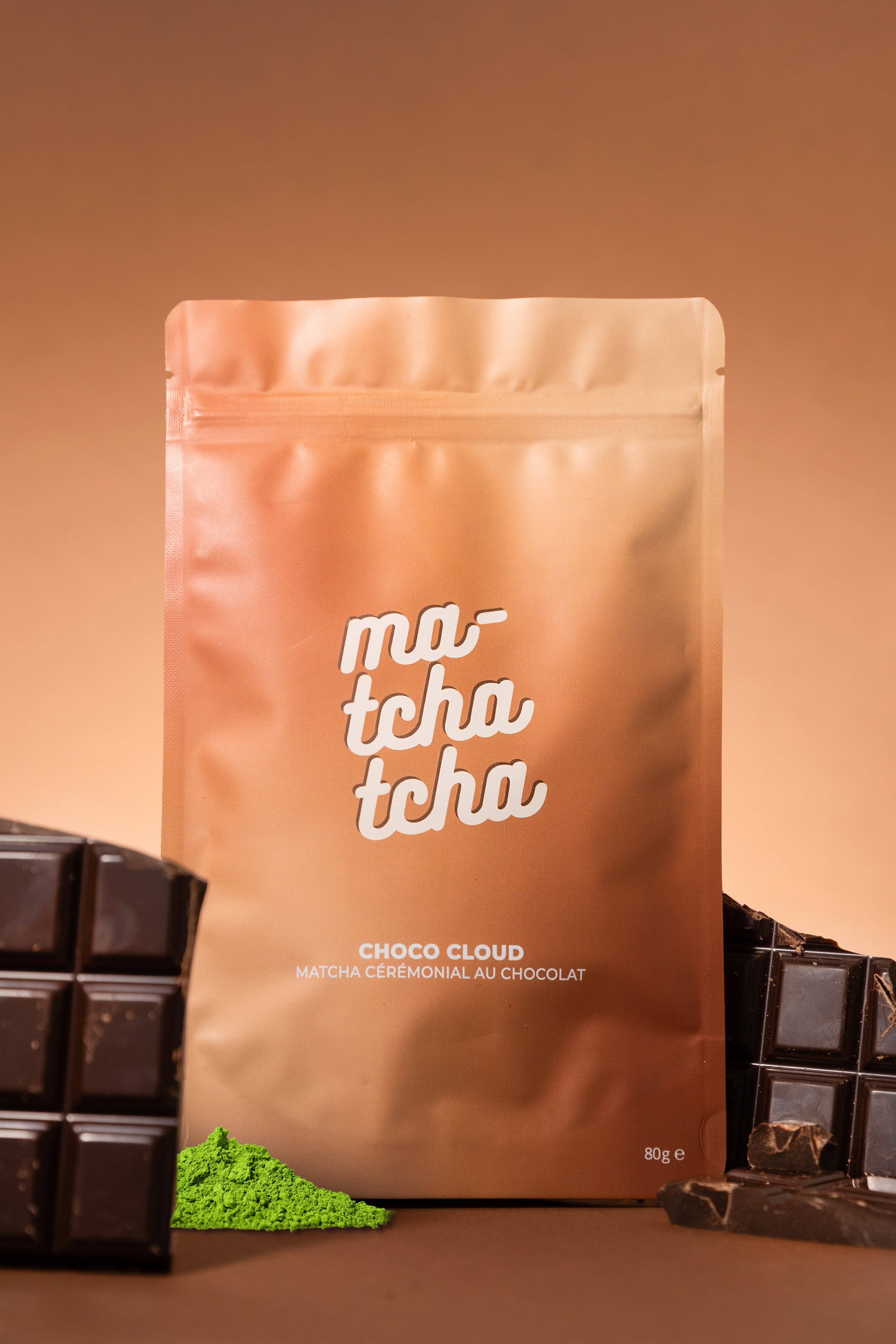
Choco Cloud - Cérémonial Chocolat
Ma-TchaTcha · Cérémonial
Choco Cloud - Cérémonial Chocolat
Ma-TchaTcha · Cérémonial
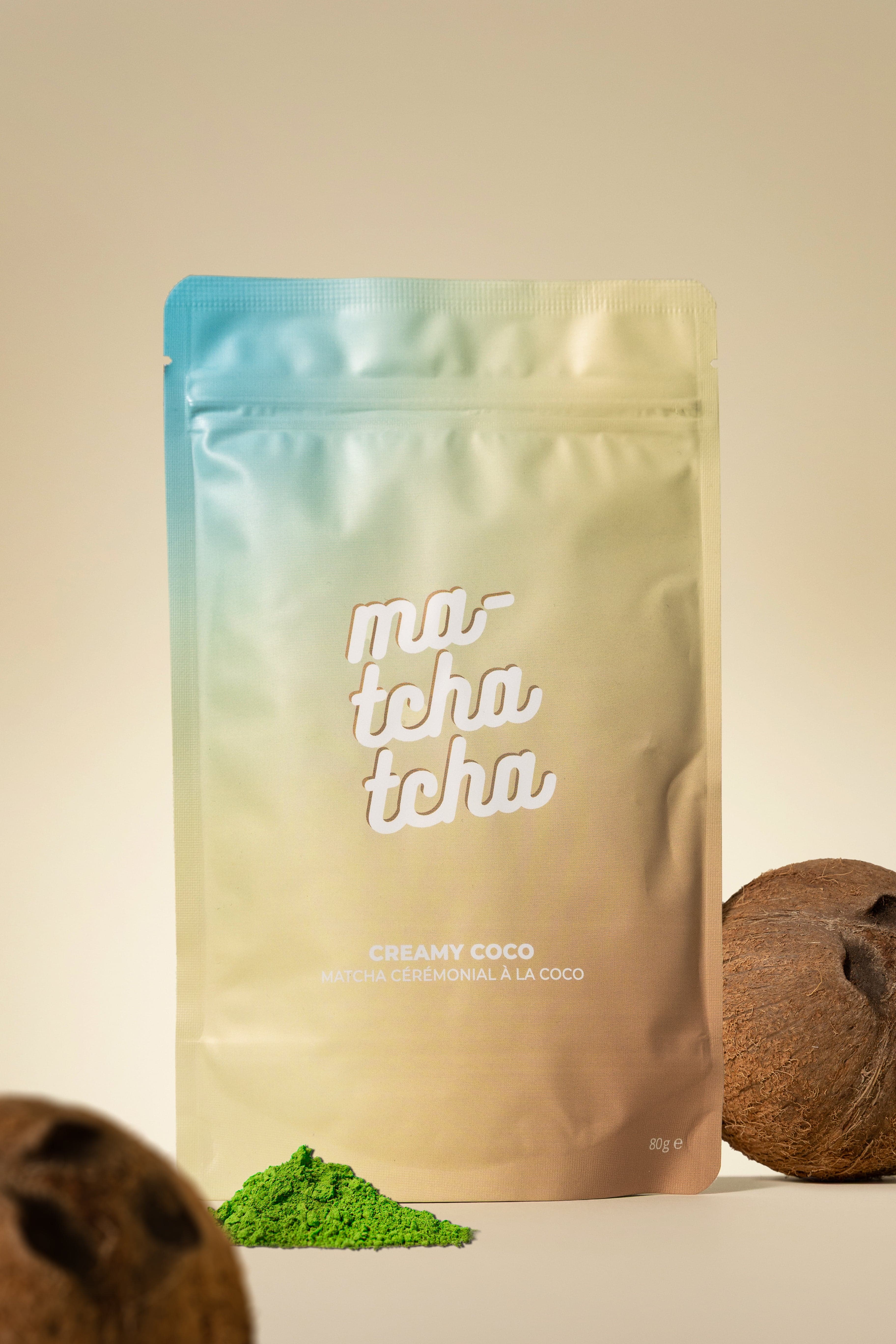
Creamy Coco - Cérémonial Coco
Ma-TchaTcha · Cérémonial
Creamy Coco - Cérémonial Coco
Ma-TchaTcha · Cérémonial
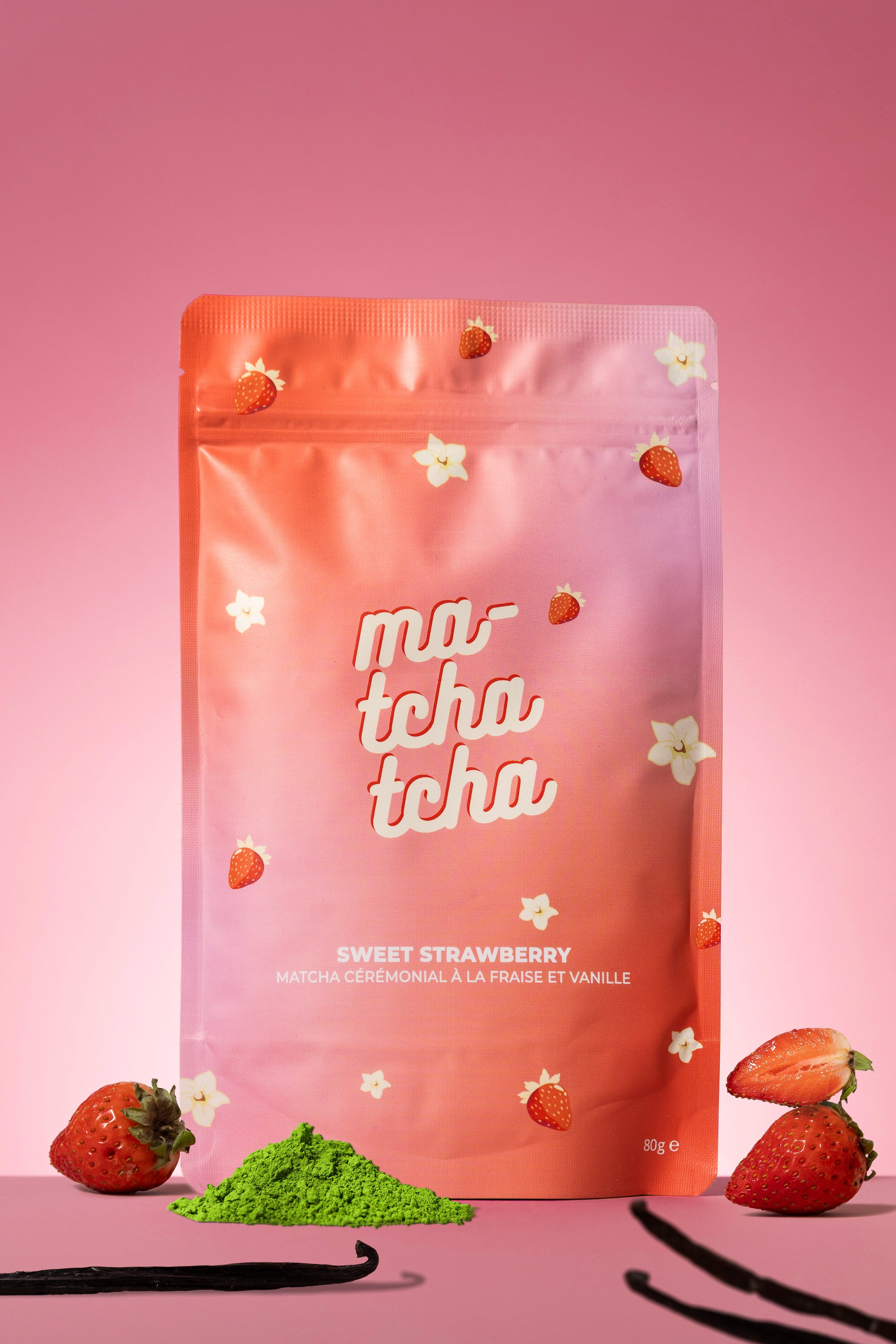
Sweet Strawberry - Fraise Vanille
Ma-TchaTcha · Cérémonial
Sweet Strawberry - Fraise Vanille
Ma-TchaTcha · Cérémonial
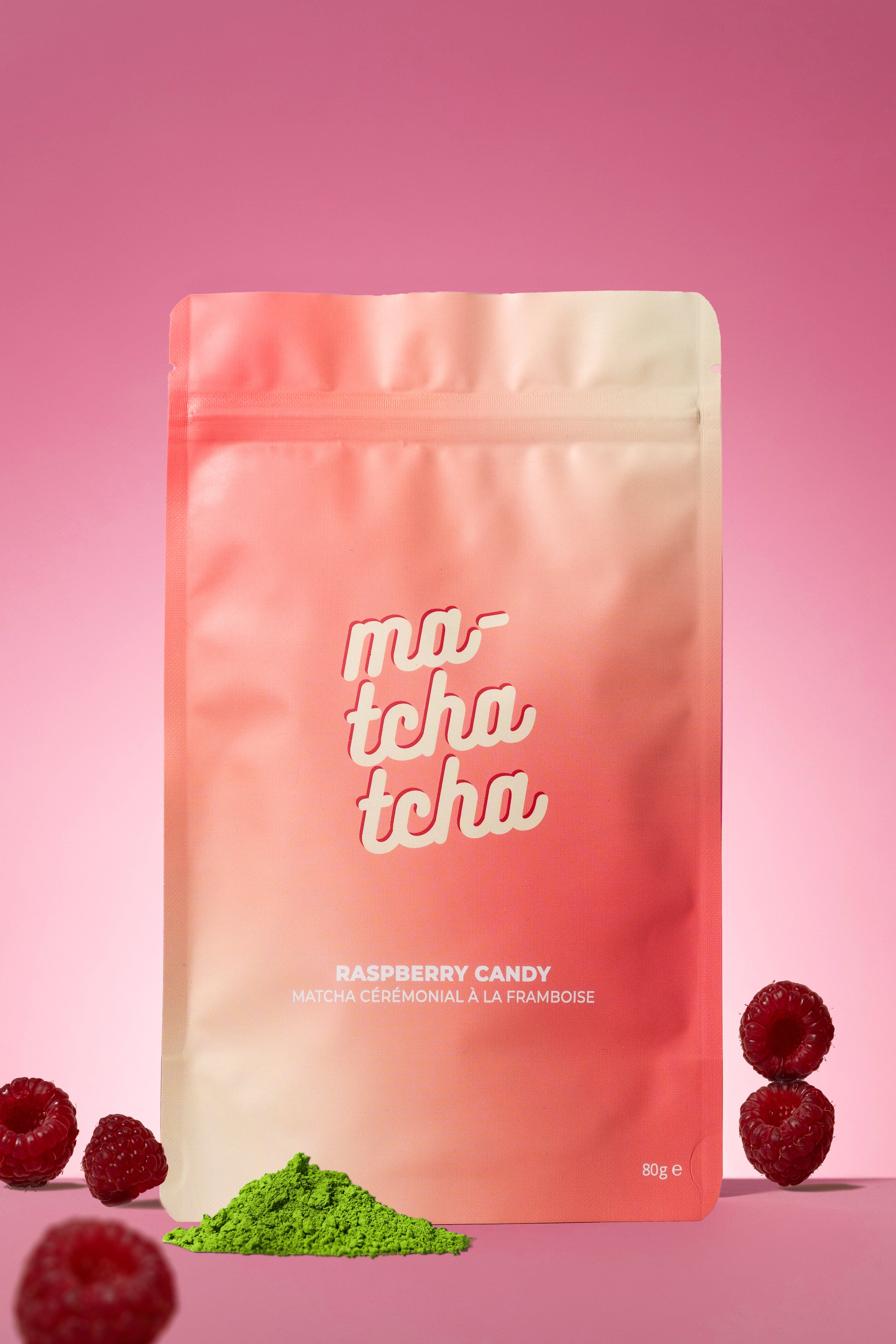
Raspberry Candy - Cérémonial Framboise
Ma-TchaTcha · Cérémonial
Raspberry Candy - Cérémonial Framboise
Ma-TchaTcha · Cérémonial
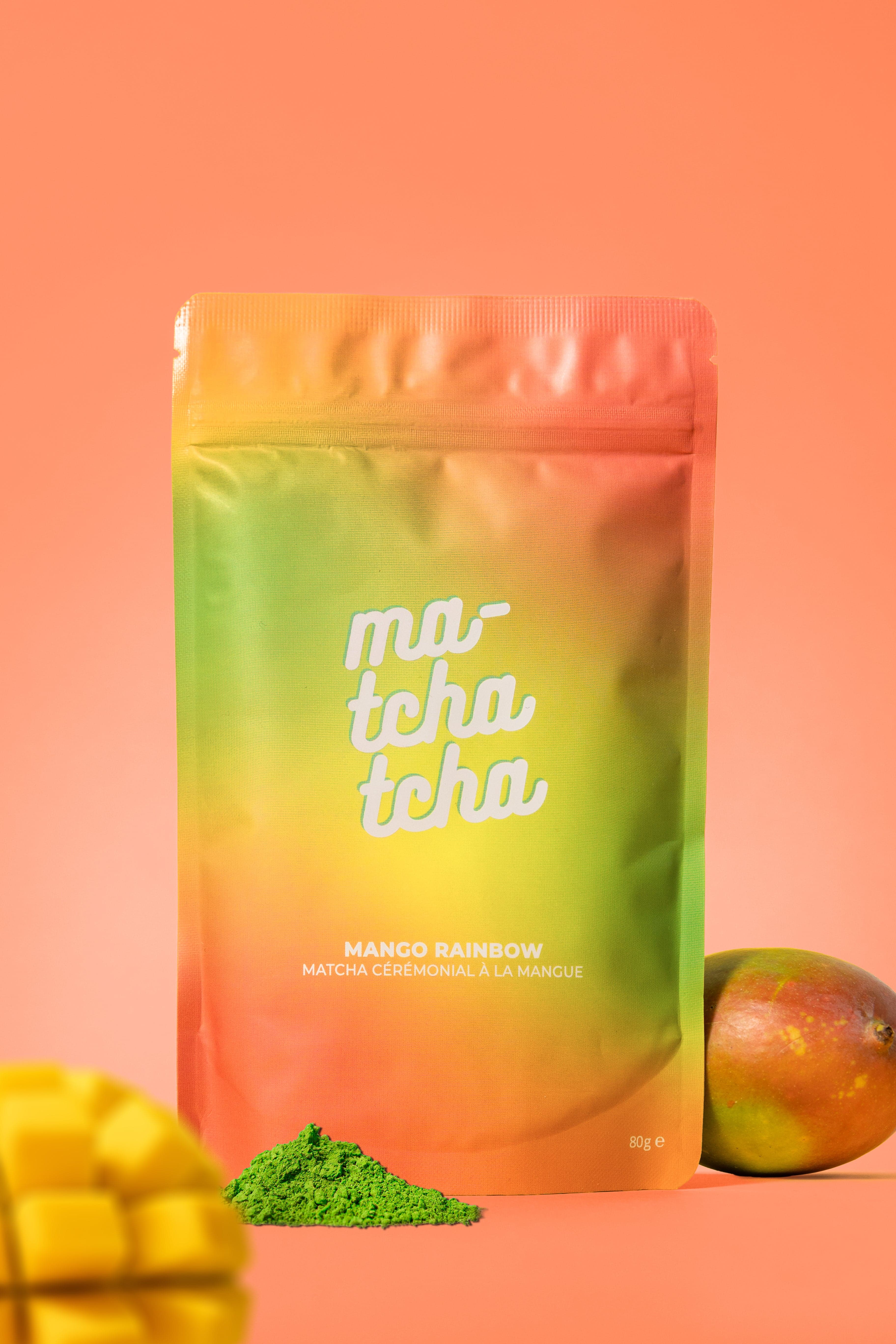
Mango Rainbow - Cérémonial Mangue
Ma-TchaTcha · Cérémonial
Mango Rainbow - Cérémonial Mangue
Ma-TchaTcha · Cérémonial
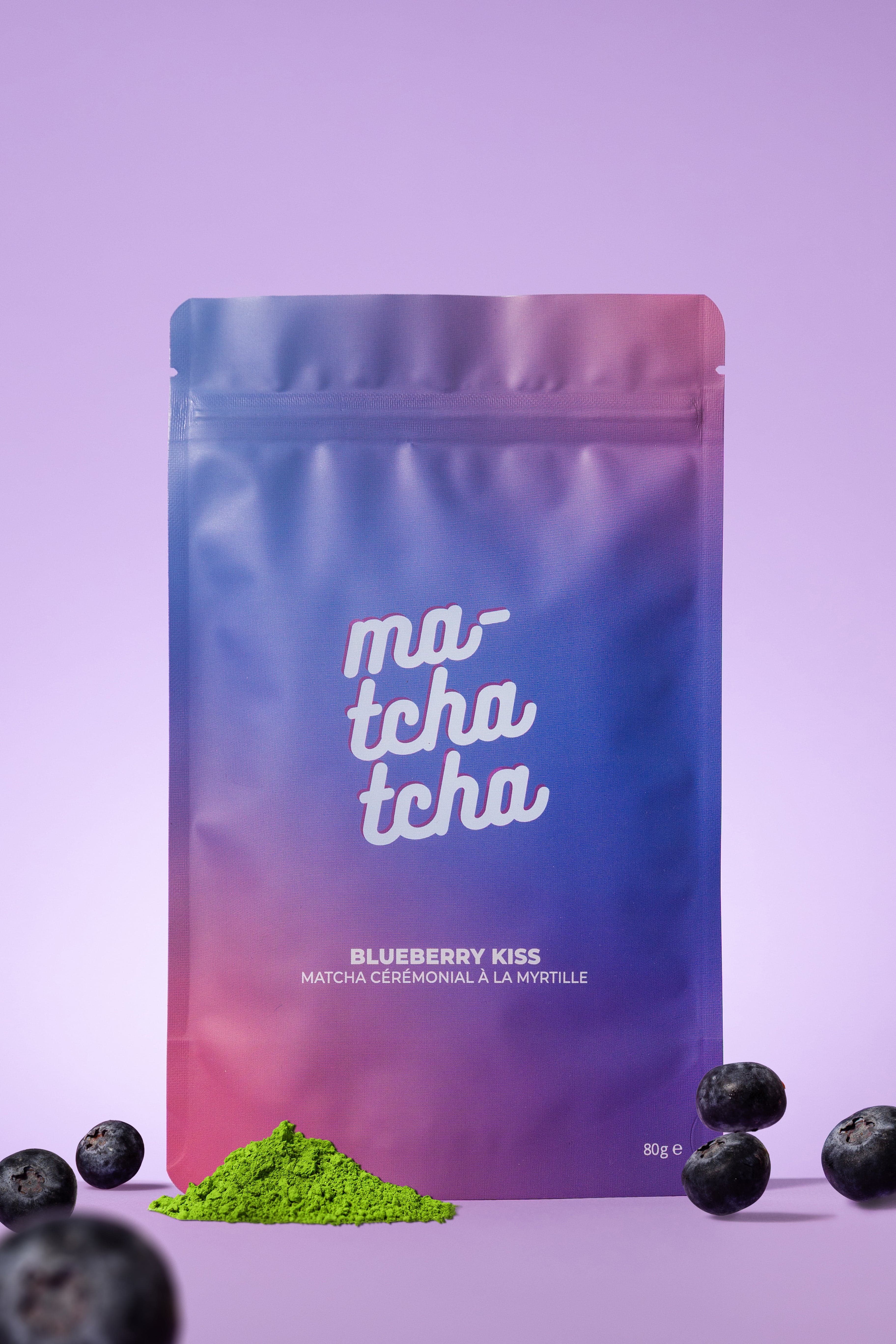
Blueberry Kiss - Cérémonial Myrtille
Ma-TchaTcha · Cérémonial
Blueberry Kiss - Cérémonial Myrtille
Ma-TchaTcha · Cérémonial
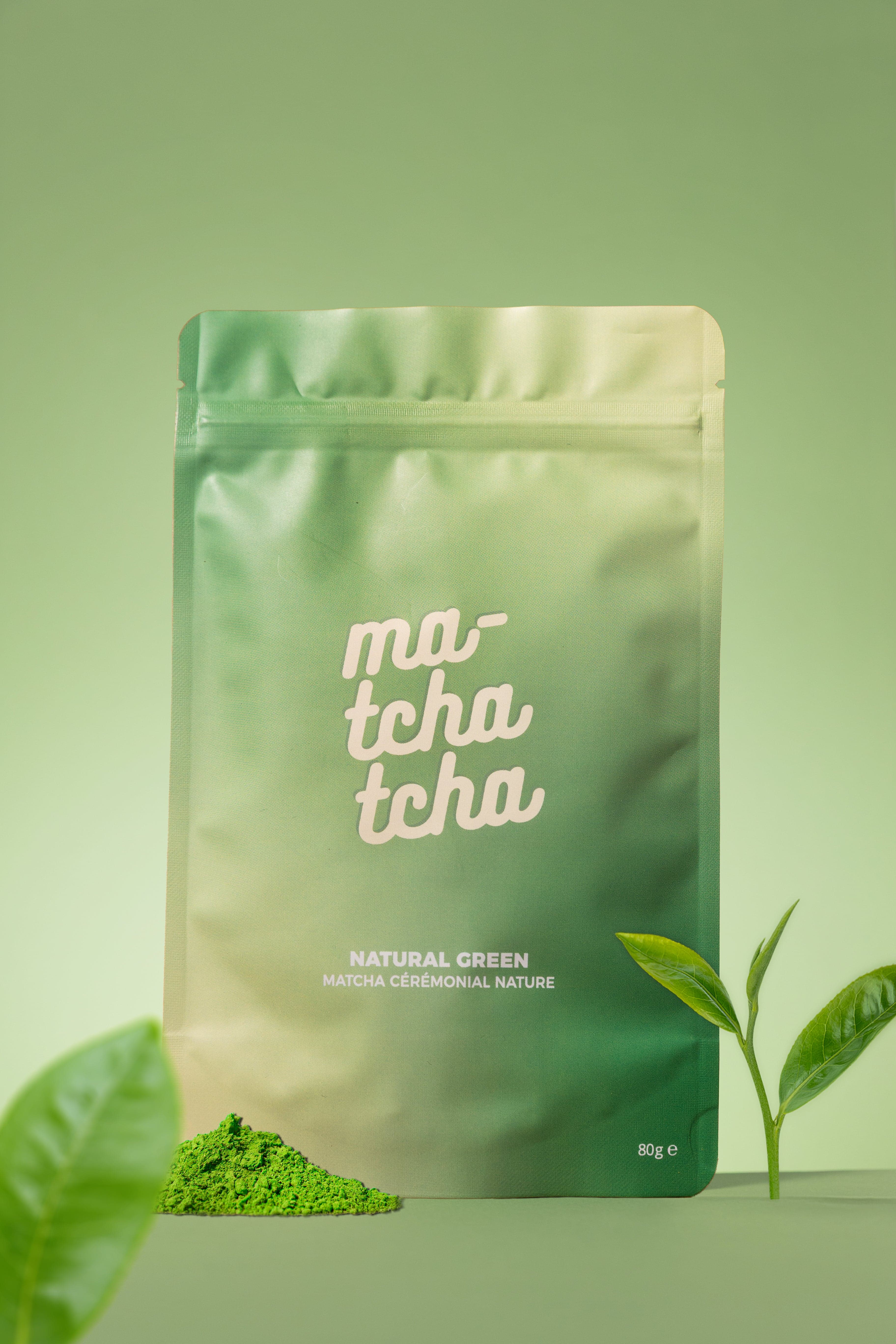
Natural Green - Cérémonial Nature
Ma-TchaTcha · Cérémonial
Natural Green - Cérémonial Nature
Ma-TchaTcha · Cérémonial
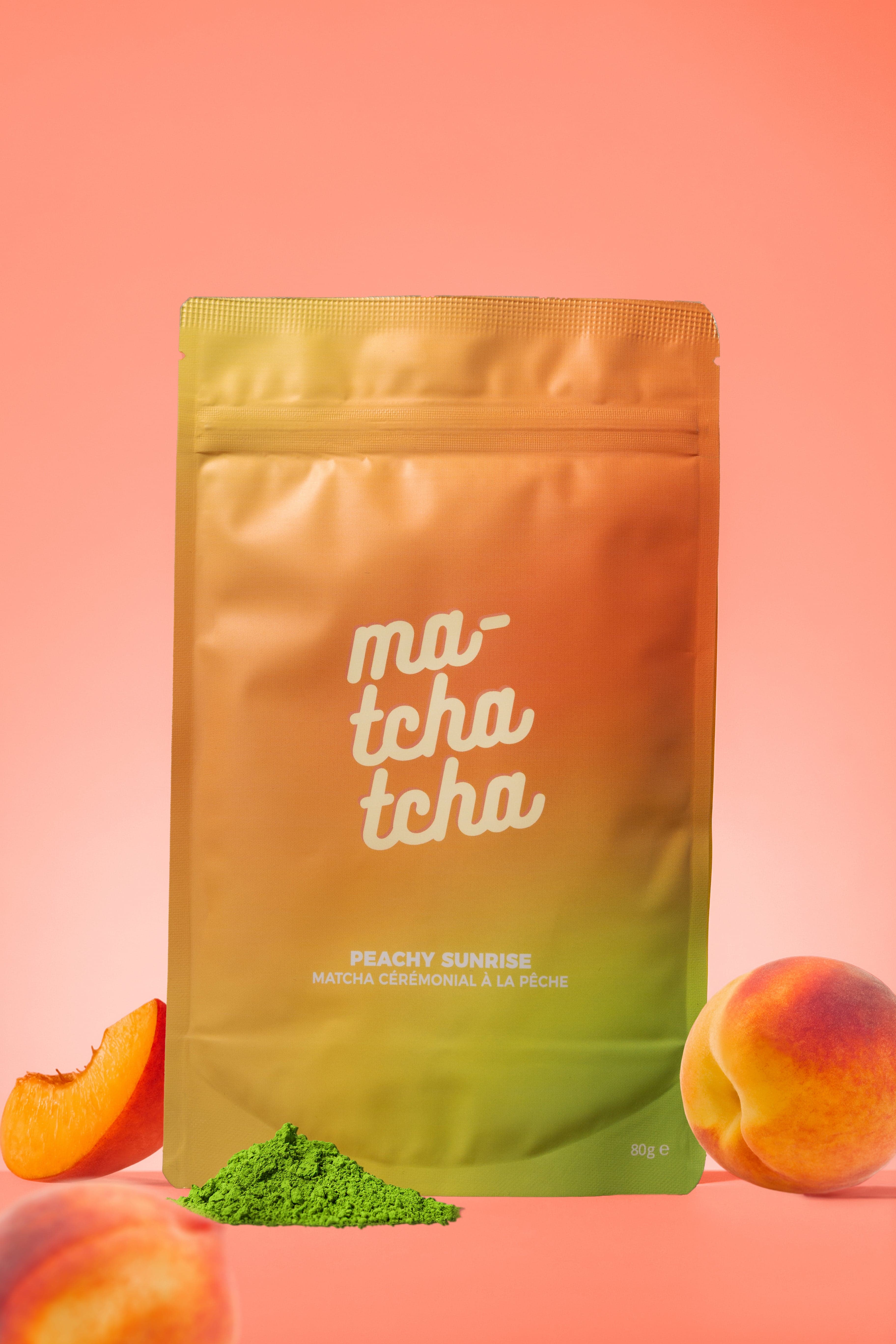
Peachy Sunrise - Cérémonial Pêche
Ma-TchaTcha · Cérémonial
Peachy Sunrise - Cérémonial Pêche
Ma-TchaTcha · Cérémonial
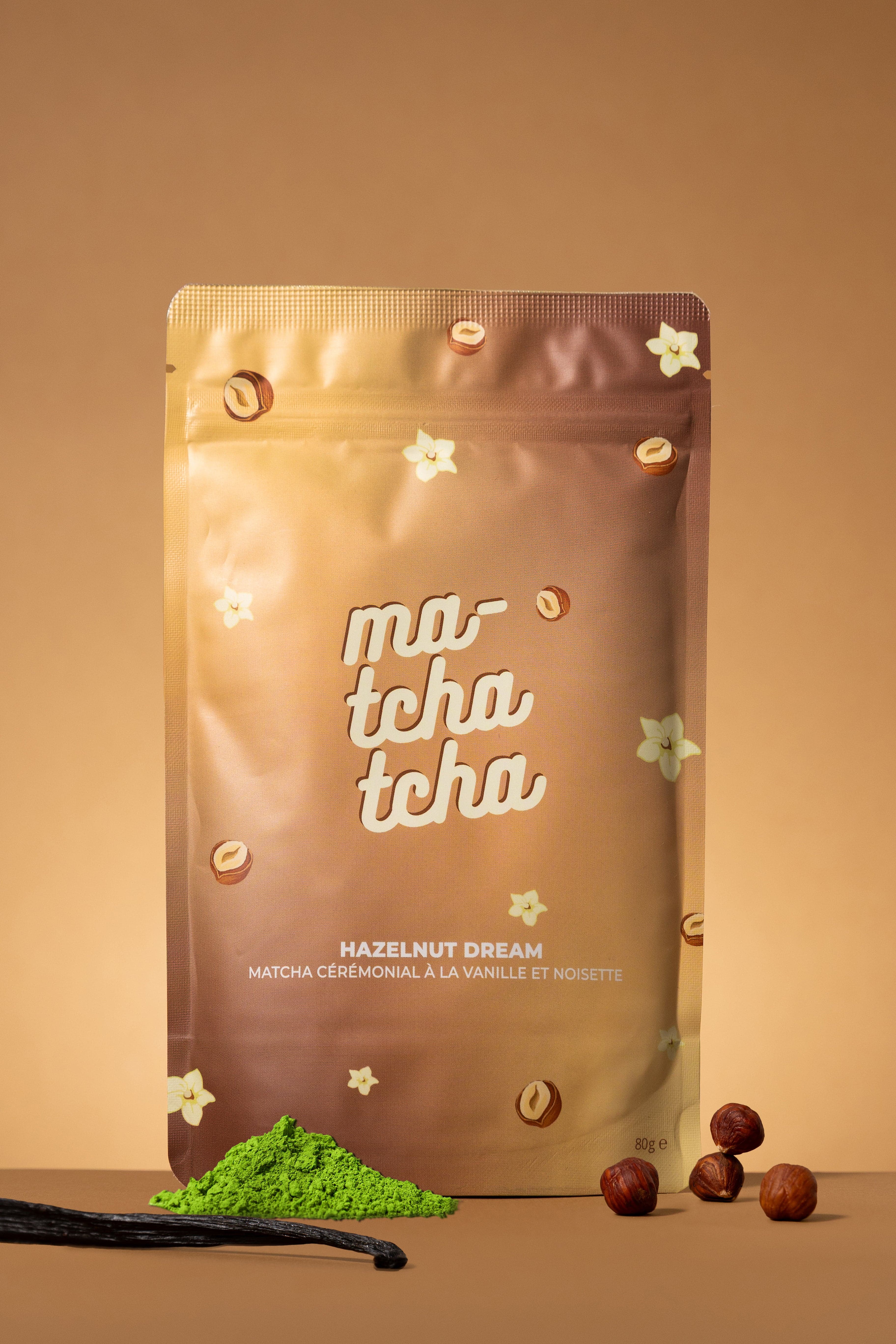
Hazelnut Dream - Vanille Noisette
Ma-TchaTcha · Cérémonial
Hazelnut Dream - Vanille Noisette
Ma-TchaTcha · Cérémonial
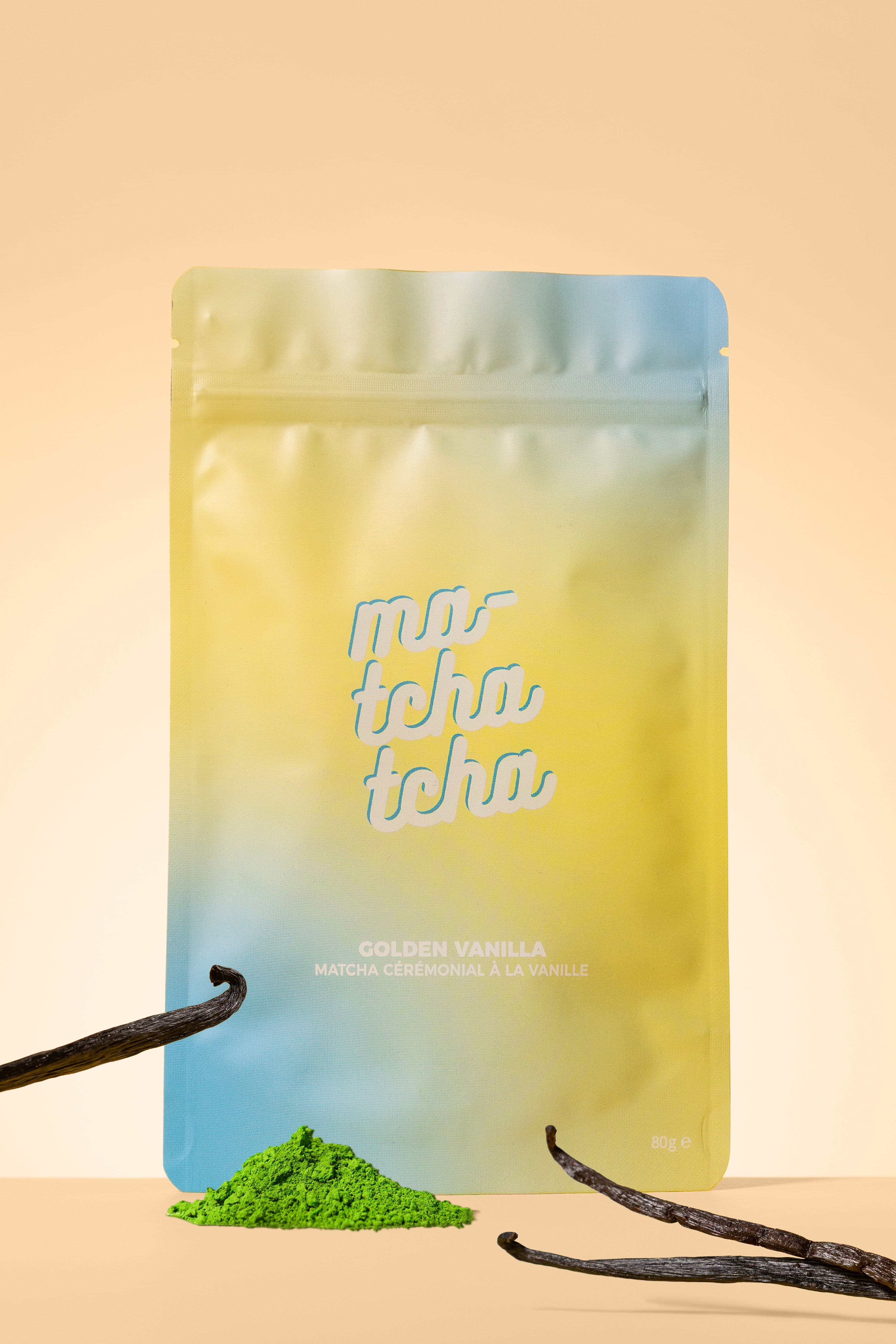
Golden Vanilla
Ma-TchaTcha · Cérémonial
Golden Vanilla
Ma-TchaTcha · Cérémonial
Les quatre critères techniques du grade cérémonial
Premier critère : la récolte. Un cérémonial digne du nom est issu de la première récolte de printemps (ichibancha, généralement en avril-mai). Les feuilles sont alors les plus tendres, riches en L-théanine (l'acide aminé responsable de l'umami) et pauvres en catéchines amères. Les récoltes ultérieures (nibancha, sanbancha) donnent un thé plus végétal et plus astringent — utiles en culinaire, déplacés en cérémonial.
Deuxième critère : l'origine. Le vrai matcha est japonais. Les régions de référence pour le cérémonial sont Uji (Kyoto, berceau historique, le plus prestigieux), Nishio (Aichi, gros producteur de qualité), Kagoshima (sud, terroir volcanique, cultivars modernes), plus secondairement Shizuoka et Fukuoka. Une origine "Japon" sans précision régionale est un signal faible — un producteur sérieux indique systématiquement sa région.
Troisième critère : l'ombrage. Les théiers destinés au cérémonial sont ombragés pendant 20 à 30 jours avant la récolte (vs 0 à 14 jours pour le culinaire). Cet ombrage prolongé augmente la chlorophylle et la L-théanine, et donne au matcha sa couleur jade caractéristique ainsi que ses notes umami profondes.
Quatrième critère : la mouture. Un cérémonial est traditionnellement moulu sur meule de granit (ishi-usu), à un rythme très lent (environ 30 g par heure). La lenteur préserve les arômes et donne une poudre ultra-fine, condition indispensable pour qu'elle se mélange à l'eau au fouet (chasen) sans grumeau.
Quel usage pour le cérémonial ?
À noter : un cérémonial doit se boire à l'eau (usucha) ou en koicha — l'utiliser dans un latte sucré masque ses arômes et constitue généralement du gâchis. Pour les usages mixtes (latte quotidien, pâtisserie), un grade premium ou culinaire fera mieux le travail pour deux à cinq fois moins cher au gramme. Pour creuser le sujet, voir notre guide pour choisir son matcha.